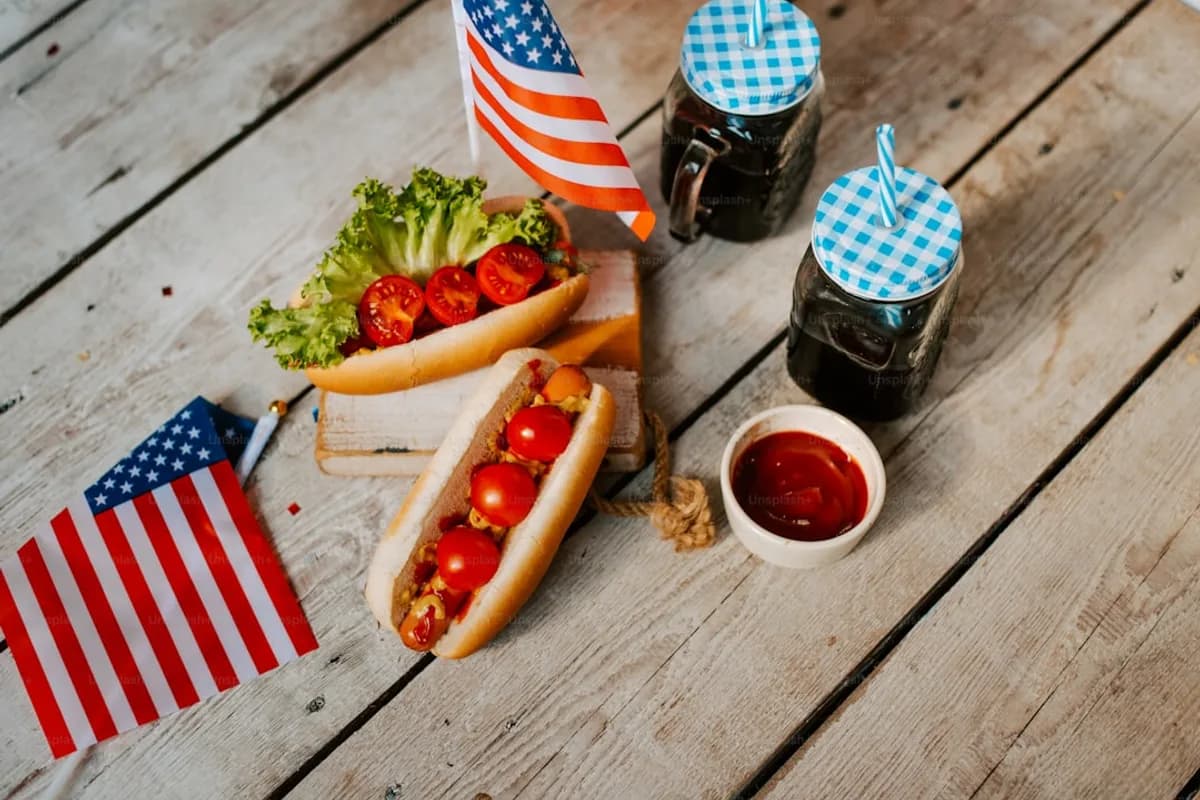
American Food Guide: A Regional Journey Through US Cuisine
American Food Guide: A Regional Journey Through US Cuisine
Ask someone to describe American food and they might say: burgers, hot dogs, apple pie. These are real, but they barely scratch the surface of one of the world's most remarkably diverse food cultures. The United States has no single national cuisine — instead it has dozens of distinct regional traditions, shaped by geography, immigration, agricultural history, and cultural fusion. This guide takes you on a culinary journey through the regions.
New England: Seafood, Chowder, and Colonial Traditions
The rocky coast of Maine, Massachusetts, and Rhode Island has shaped a food culture built around the cold-water bounty of the North Atlantic. New England has the oldest European culinary traditions in the US, and they have remained remarkably intact.
What to Eat in New England
Maine Lobster is the crown jewel of New England seafood. Maine's cold, nutrient-rich waters produce some of the world's finest lobster, and eating a whole boiled or steamed lobster at a picnic table by the water — tools, bibs, and melted butter provided — is one of America's great food experiences. Lobster pound (roadside lobster shack) prices are dramatically lower than restaurant prices. August and September bring peak lobster season.
New England Clam Chowder is a thick, creamy soup of clams, potatoes, onions, bacon, and cream. Despite the often-cited "Manhattan" version using tomato broth, New Englanders insist the cream version is the only authentic one. Best in Boston (Legal Sea Foods), San Francisco's Fisherman's Wharf (in a sourdough bread bowl), and at any seaside shack in Maine or Massachusetts.
Lobster Roll — chunks of fresh Maine lobster meat in a butter-toasted split-top hot dog bun, either warm with butter (Maine/Connecticut style) or cold with light mayo (Connecticut style). Red's Eats in Wiscasset, Maine, is the most famous; Luke's Lobster has expanded nationwide. Prices range $22-45 — expensive but worth every cent when using fresh lobster.
Boston Baked Beans — the original "Beantown" dish, slow-baked navy beans with salt pork and molasses. Baked beans were a Puritan Sunday staple (you could prepare them Saturday and eat them cold after church Sunday). The Boston cream pie (actually a cake) became the official Massachusetts state dessert.
Price guide: Lobster rolls $22-45; clam chowder $12-22; lobster pound whole lobster $25-50/person.
The Mid-Atlantic: Diners, Delis, and Cheesesteaks
The mid-Atlantic region from New York to Maryland developed the archetypal American urban food culture — the Jewish deli, the Italian-American restaurant, the diner, the oyster bar.
New York's Food Icons
New York-style pizza is thin-crust, oversized (18-inch slices sold individually), and best eaten folded lengthwise while walking. The crispy bottom and slightly doughy interior are products of New York water chemistry (allegedly). Joe's Pizza in Greenwich Village, Di Fara in Brooklyn, and Grimaldi's under the Brooklyn Bridge are the classics. Price: $3.50-5 per slice.
New York bagels are hand-rolled, kettle-boiled, then baked — producing a dense, shiny exterior and chewy interior that distinguishes them from anything made elsewhere. Best eaten fresh from the oven with cream cheese and lox (smoked salmon) at Russ & Daughters on Houston Street. The "everything bagel" — topped with sesame seeds, poppy seeds, garlic, onion, and salt — is the ultimate.
The Jewish Deli is a quintessential New York institution. Katz's Delicatessen on the Lower East Side (since 1888) serves the definitive pastrami on rye — hand-carved hot pastrami piled 4 inches thick on rye bread with yellow mustard. Also try: corned beef, matzo ball soup, and a classic egg cream (chocolate syrup, milk, and seltzer water).
Philly Cheesesteak — thin-sliced ribeye cooked on a flat griddle with sautéed onions, stuffed in a soft Amoroso roll with Cheez Whiz. Pat's King of Steaks and Geno's Steaks on Passyunk Avenue in South Philadelphia face each other across the street — both claim to be the original. The ordering ritual matters: "whiz wit" means Cheez Whiz with onions.
Maryland Blue Crab is a regional passion — steamed in Old Bay seasoning (the Chesapeake's proprietary spice blend of 18 spices), eaten at paper-covered tables with mallets and crab crackers. The whole crab ritual at a waterfront Maryland crab house in summer is authentically special. Price: $40-80/dozen.
The South: America's Most Distinctive Food Culture
Southern food is the most culturally significant cuisine in America — deeply rooted in African American cooking traditions, shaped by history, and expressed in dishes that are simultaneously simple and profound.
Barbecue: America's Holy Wars
American barbecue means slow-cooking meat over wood smoke for 4-16+ hours. What makes BBQ remarkable is that it varies dramatically by region, and each region's adherents defend their version with extraordinary passion.
Texas BBQ is about the beef, particularly brisket — a cut considered tough and undesirable when cooked quickly, but transformed by 12-16 hours of oak wood smoke into meltingly tender, smoky perfection with a dark "bark" of spiced crust. Franklin Barbecue in Austin (line starts at dawn; sells out by 1pm) is the most famous barbecue restaurant in the world. Sauce is usually minimal or optional in Texas — the meat should speak for itself.
Kansas City BBQ adds generous amounts of a thick, tomato-molasses-based sauce and smokes every kind of meat (not just beef) — pork ribs, burnt ends, chicken, sausage. Joe's Kansas City Bar-B-Que (formerly Oklahoma Joe's) is the most famous.
Memphis BBQ focuses on pork ribs, served either "wet" (slathered in sauce) or "dry" (rubbed with spices but no sauce). The Rendezvous in a downtown alley has been serving dry-rub ribs since 1948.
Carolina BBQ is oldest and most divided — North Carolina splits between eastern style (whole hog with vinegar and pepper sauce) and western/Lexington style (pork shoulder with a slightly sweet vinegar-tomato sauce). South Carolina uniquely uses a mustard-based sauce in parts of the state.
Price guide: BBQ plates $15-25 at standalone joints; premium Austin BBQ $20-40 per person.
Gumbo and Louisiana Creole Cuisine
New Orleans and Louisiana cuisine is the product of one of the most remarkable cultural fusions in culinary history — French technique, Spanish spicing, African cooking knowledge, and Caribbean flavors combining in the Mississippi Delta.
Gumbo is the definitive Louisiana dish — a thick stew built on a dark roux (flour and fat cooked together for 45 minutes until it turns the color of dark chocolate), with the "holy trinity" of onions, celery, and bell pepper, and a combination of shrimp, crab, chicken, and andouille sausage over rice. Every cook has their own recipe, and the debate about the proper recipe is one of Louisiana's defining cultural arguments. Willie Mae's Scotch House and Dooky Chase's in New Orleans are legendary.
Po'boy — the quintessential New Orleans sandwich: a French bread loaf split and filled with oysters, shrimp, catfish, or roast beef, dressed with lettuce, tomato, pickles, and mayo. "Dressed" means with everything; "undressed" without. Domilise's and Parkway Bakery serve the classics.
Beignets at Café Du Monde — hot, square French doughnuts buried under a cloud of powdered sugar, with café au lait (chicory coffee with steamed milk). Open 24 hours at Jackson Square in the French Quarter. Price: 3 beignets for $3.75.
Soul Food and Southern Classics
Soul food emerged from African American cooking in the Deep South — transforming humble ingredients (pork scraps, leafy greens, cornmeal) into some of America's most comforting and flavorful dishes.
Fried chicken is the crown dish — buttermilk-marinated, flour-coated, and cast-iron fried until the skin crackles and the interior is juicy. Gus's World Famous Fried Chicken in Memphis, Willie Mae's in New Orleans, and Hattie B's in Nashville (Nashville hot chicken) are among the best.
Cornbread is the South's essential bread — made from stone-ground cornmeal, bacon fat, and buttermilk, baked in cast iron until golden. Best eaten warm from the skillet.
Biscuits and gravy — light, flaky Southern biscuits smothered in white cream gravy studded with pork sausage. The defining Southern breakfast, served at every roadside diner from Virginia to Texas.
The Southwest: Tex-Mex, Green Chile, and Desert Cuisine
The American Southwest blends Mexican culinary traditions with cowboy cooking and diverse Native American food cultures.
Tex-Mex is the cuisine born along the Texas-Mexico border — flour tortillas, yellow cheese, sour cream, and beef-heavy preparations that differ from authentic Mexican cooking but are genuinely delicious. The breakfast taco — scrambled eggs, cheese, and bacon or chorizo in a flour tortilla, available at any Austin breakfast spot — is a Tex-Mex institution. Torchy's Tacos and Juan In A Million in Austin are essential stops.
Green chile is the defining ingredient of New Mexico cuisine — the Hatch green chile, roasted and peeled, appears in everything from chile verde stews to burgers to pizza throughout New Mexico. The annual Hatch Chile Festival in August draws pilgrims from across the country.
Navajo fry bread — a deep-fried flatbread that became a staple food of Navajo people after their forced relocation to arid lands where traditional crops couldn't grow. Served with honey or as the base for "Navajo tacos" with beans, cheese, and toppings. Complicated cultural history but genuinely good food.
California and the West Coast: Farm-to-Table and the Pacific
California's food culture is one of the most influential in the world — the state pioneered farm-to-table dining, the specialty coffee movement, and has some of the world's best produce.
California cuisine was formalized by Alice Waters at Chez Panisse in Berkeley (1971), which insisted on fresh local seasonal ingredients when the concept was revolutionary. Today this philosophy is practiced across the country but nowhere more consistently than in Northern California.
Fish tacos are a Baja California tradition that crossed the border into Southern California — battered or grilled fish in corn tortillas with shredded cabbage, crema, and salsa. The best are from street trucks and beach-adjacent taco shacks in San Diego.
Hawaiian food (though Hawaii is not the West Coast) — poke bowls, plate lunches, and shave ice have been enthusiastically adopted by mainland California. The poke bowl — raw fish marinated in soy and sesame over rice — is Hawaii's greatest culinary export.
Pacific Islands: Hawaii's Extraordinary Food Culture
Hawaiian food is a world unto itself — five major culinary traditions fusing over 150+ years.
Plate lunch — the definitive Hawaiian local meal: two scoops of white rice, macaroni salad, and a protein (chicken katsu, kalua pork, loco moco, or grilled mahi-mahi). Zippy's and Rainbow Drive-In in Honolulu have served this since the 1940s. Price: $10-16.
Poke (pronounced poh-KAY) — fresh raw fish (traditionally ahi tuna) marinated in soy sauce, sesame oil, and green onions, served over rice or alone as an appetizer. In Hawaii, buy it by weight at supermarket counters — Foodland and Times grocery stores have excellent poke at lower prices than restaurants.
Loco moco — a rice bowl topped with a hamburger patty, a fried egg, and brown gravy. Invented in Hilo on the Big Island in 1949, it's pure Hawaiian comfort food.
Shave ice — ultra-fine shaved ice (not snow cones — the texture is completely different, like fresh snow) soaked in tropical syrups, served with a scoop of vanilla ice cream hidden in the bottom. Matsumoto's on the North Shore of Oahu is the most famous; Ululani's on Maui is arguably better.
Craft Beer and Drinks
No food guide to America is complete without acknowledging its extraordinary drinking culture.
Craft beer: The US has over 9,000 craft breweries producing more styles of beer than any other country. Pacific Northwest IPAs (Deschutes, Sierra Nevada, Dogfish Head), Vermont stouts (Hill Farmstead), and California sour ales (Russian River's Supplication) are world-class. Visit any local taproom for fresh-poured flights.
Bourbon: Kentucky's Bourbon Trail is one of America's great food/drink tourism experiences. Buffalo Trace, Maker's Mark, and Woodford Reserve all offer distillery tours. The Old Fashioned (bourbon, bitters, sugar, orange peel) is one of the world's great cocktails.
California wine: Napa Valley Cabernet Sauvignons and Sonoma Pinot Noirs are world-class. The Wine Country day trip from San Francisco is a highlight of any Northern California visit.
Where to Eat Like a Local
Street food: In Los Angeles (taco trucks), New York (halal carts, pizza by the slice), and New Orleans (po'boy shops), the best food is often not in restaurants.
Farmers markets: Saturday morning farmers markets in Portland OR, Ferry Building San Francisco, and Union Square NYC feature outstanding local produce and prepared foods.
Food halls: Chelsea Market (NYC), Grand Central Market (LA), Ponce City Market (Atlanta), and Milwaukee Public Market are excellent modern food halls with multiple vendors.
Diners: The classic American diner (24-hour service, laminated menus, bottomless coffee, breakfast all day) is a travel experience in itself. New Jersey's legendary diner culture and Southern truck-stop diners are both worth experiencing.
The authentic American food experience isn't in tourist restaurants — it's at the taco truck parked by a construction site, the barbecue joint with no sign and a 2-hour wait, the diner where the cook knows every regular by name. Travel with an appetite for discovery.
Sources & References
This article is based on first-hand experience and verified with the following official sources:

Go2USA Team
Exploring the USA since 2023 | All 50 states covered | Updated monthly
We are a team of travel writers and American travel enthusiasts who explore the country year-round. Our guides are based on first-hand experience, local knowledge, and verified official sources.
More about us →People Also Read
New York City Complete Guide: Neighborhoods, Attractions & Where to Stay
Complete NYC guide covering neighborhoods, top attractions, dining, accommodations & practical tips for planning your New York City trip.

Amtrak Cross-Country: Real 2026 Guide to Coast-to-Coast by Train
Can you take Amtrak coast to coast? Real 2026 routes (California Zephyr, Southwest Chief), costs ($213 coach / $1500 sleeper), and whether the 52-hour ride is worth it.

Common Reasons an ESTA Gets Denied (and How to Avoid Them)
Why ESTA applications get denied in 2026 -- the 9 official questions explained, DUI and arrest implications, typo mistakes, and what to do if you're rejected.
How Much to Tip in the USA in 2026: A Visitor's Guide
Real 2026 USA tipping amounts for restaurants, bars, hotels, taxis, Uber, barbers, and massages — with cash-vs-card math and what happens if you don't tip.
Plan Your USA Trip
Book hotels, transport, activities, and get connected with an eSIM
Some links are affiliate links. We may earn a commission at no extra cost to you.