America's Best Music Cities: A Traveler's Guide to Live Music Across the USA
America's Best Music Cities: A Traveler's Guide to Live Music Across the USA
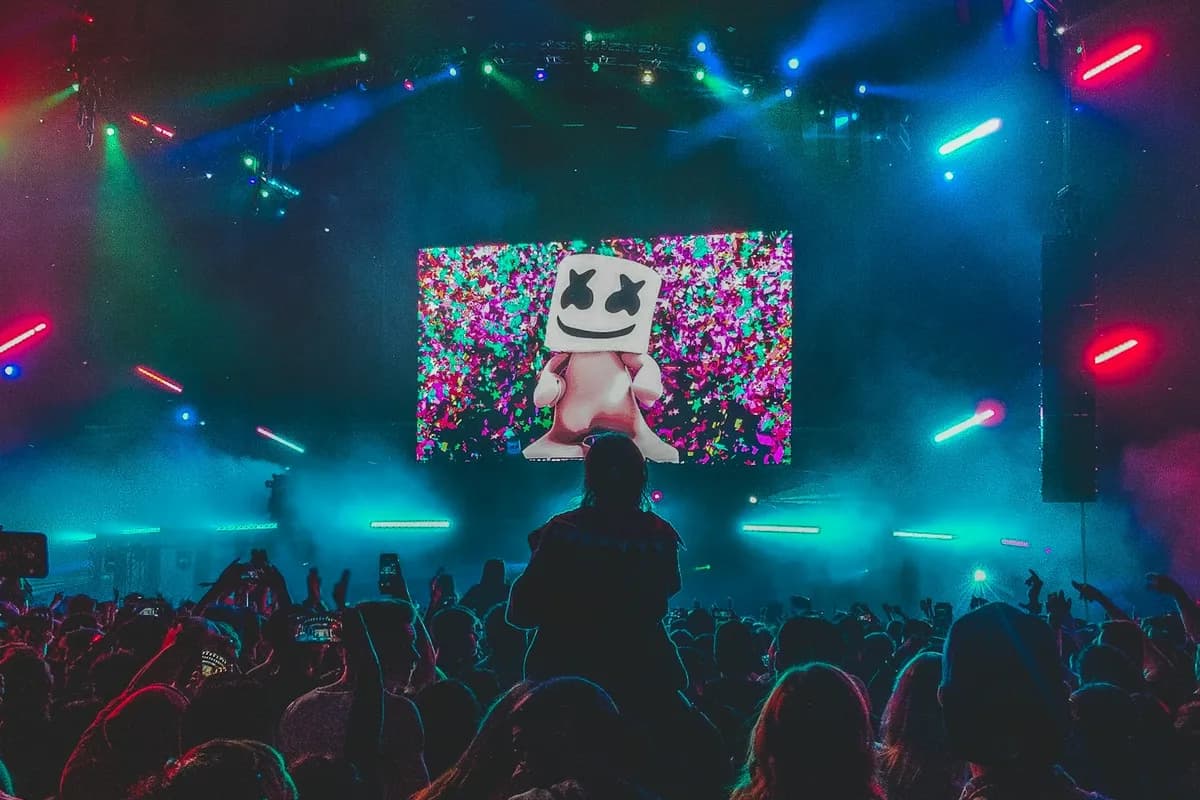
No country on earth has produced more influential popular music than the United States. Jazz, blues, rock and roll, country, hip-hop, soul, funk, bluegrass, and R&B were all born here, and the cities where these genres emerged remain vibrant, living music scenes. Walking into a honky-tonk on Broadway in Nashville, a jazz club on Frenchmen Street in New Orleans, or a dive bar on Sixth Street in Austin and hearing extraordinary live music -- often for free -- is one of the most uniquely American experiences a traveler can have.
This guide covers the best music cities, where to hear live music, and how to experience it like a local.
Nashville, Tennessee: Music City USA
Nashville is the undisputed capital of country music and American songwriting. The city earned the nickname "Music City" for a reason -- music is not just an industry here but a way of life that permeates every neighborhood, bar, and restaurant.
The Essential Music Experiences
Lower Broadway (The Honky-Tonks) The neon-lit stretch of Lower Broadway between 2nd and 5th Avenues is Nashville's most famous music street. Dozens of honky-tonk bars pump live country, rock, and Americana music from mid-morning until 3 AM, every single day, with no cover charge at most venues.
Top honky-tonks:
- Tootsie's Orchid Lounge -- the most famous honky-tonk in the world. Legends from Patsy Cline to Kris Kristofferson played here when it was a backdoor hangout for Grand Ole Opry performers.
- Robert's Western World -- widely considered the best live music on Broadway. Their house band is genuinely excellent.
- The Stage -- three floors of live music with a rooftop view of Broadway
- Layla's -- more traditional country and honky-tonk style
The Grand Ole Opry The longest-running radio show in American history, broadcasting live since 1925. Seeing a show at the Opry is a Nashville rite of passage. The mix of legendary artists and up-and-comers is curated, and the atmosphere is unlike any other concert venue. Tickets: $40-$120.
The Bluebird Cafe A tiny, 90-seat listening room in a strip mall that has launched the careers of Garth Brooks, Taylor Swift, and hundreds of other songwriters. The "in the round" songwriter nights -- where 3-4 songwriters sit in a circle and take turns playing their songs -- are the most intimate and powerful live music experience in Nashville. Book weeks in advance through the Bluebird's website; tickets are $15-$25.
The Ryman Auditorium Known as the "Mother Church of Country Music," the Ryman was the home of the Grand Ole Opry from 1943 to 1974. Its acoustics are legendary, and seeing any show in this former church with original wooden pews is a special experience. Artists across all genres play here. Tickets vary by artist.
Beyond Country
Nashville's music scene extends well beyond country. The city has a thriving indie rock, Americana, and R&B scene:
- The Basement East -- indie and alternative rock
- Exit/In -- legendary rock venue in Midtown
- The Station Inn -- the best bluegrass venue in America
- Printers Alley -- jazz, blues, and comedy in a historic downtown alley
New Orleans, Louisiana: The Birthplace of Jazz
New Orleans is where jazz was born, and the city's relationship with music is more organic and ever-present than anywhere else in America. Music here is not confined to venues -- it spills into the streets, parks, second-line parades, and funerals. On any given night, you can hear world-class jazz, brass band funk, zydeco, R&B, and bounce music, often for free.
The Essential Music Experiences
Frenchmen Street If Lower Broadway is Nashville's music strip, Frenchmen Street is New Orleans'. Located just outside the French Quarter in the Marigny neighborhood, this three-block stretch hosts the city's best live music clubs, and most of them have no cover charge.
Top venues:
- The Spotted Cat Music Club -- a tiny, packed, incredible jazz and swing club. No cover, two-drink minimum. Dancing encouraged.
- d.b.a. -- eclectic bookings from jazz to funk to brass bands
- The Maison -- three floors, three stages, three different genres simultaneously
- Bamboula's -- jazz, funk, and brass bands in a relaxed setting
Preservation Hall A bare-bones French Quarter venue dedicated to preserving traditional New Orleans jazz. No drinks, no food, no frills -- just a dimly lit room with wooden benches and some of the finest traditional jazz musicians in the world. Shows are 45 minutes and rotate throughout the evening. Arrive 30-60 minutes early to ensure entry. Tickets: $25-$55.
Tipitina's The legendary Uptown club named after a Professor Longhair song. Tipitina's hosts everything from brass bands to funk to indie rock, with a special emphasis on New Orleans musical traditions. The Sunday afternoon brass band sets are essential.
Jazz at the Palm Court Traditional New Orleans jazz in a candlelit setting with white tablecloths. More formal than Frenchmen Street but equally authentic. Dinner and music combine for an elegant evening.
The Street Scene
New Orleans' most magical music experiences are often unplanned:
- Brass bands performing on Royal Street and Jackson Square (afternoons and evenings)
- Second-line parades -- spontaneous, joyful brass band processions through neighborhoods (most common on Sunday afternoons)
- Jazz funerals -- solemn then celebratory processions honoring the deceased with music
- Buskers and street performers throughout the French Quarter and Marigny
New Orleans Jazz & Heritage Festival
Jazz Fest (late April to early May) is one of the world's great music festivals, featuring hundreds of acts across 14 stages over two weekends. Beyond the headline stages, the gospel tent and jazz tent offer transcendent experiences. Food vendors at Jazz Fest are legendary -- this is as much a food festival as a music festival.
Austin, Texas: The Live Music Capital of the World
Austin claims the title of "Live Music Capital of the World" based on its extraordinary concentration of live music venues per capita. On any given night, there are over 250 live performances happening across the city. The scene is eclectic, spanning blues, country, indie rock, Latin, electronic, and everything in between.
The Essential Music Experiences
Sixth Street Austin's most famous entertainment district, divided into three sections:
- Dirty Sixth (Congress to I-35) -- bars, clubs, and live music venues with mostly free entry. Loud, crowded, and fun on weekend nights.
- East Sixth (east of I-35) -- cooler, more diverse music venues, craft cocktail bars, and food trucks
- West Sixth (west of Congress) -- upscale bars and restaurants
The Continental Club A South Congress Avenue institution since 1955, the Continental Club is Austin's most respected music venue. Rockabilly, country, blues, and rock acts play in an intimate, vintage setting. Cover is typically $5-$15. Tuesday's Dale Watson residency and the Happy Hour shows are local favorites.
Antone's Nightclub Austin's legendary blues club, founded in 1975. Stevie Ray Vaughan, B.B. King, Muddy Waters, and Buddy Guy all played here. The current location on East 5th Street continues the tradition with blues, soul, and rock bookings.
Broken Spoke A genuine Texas dance hall that has been serving cold beer and live country music since 1964. This is not a tourist recreation -- it is the real thing, complete with a small dance floor where locals two-step to traditional country music. Dance lessons are offered early in the evening.
South by Southwest (SXSW)
Austin's South by Southwest festival (March) is the world's most important music industry event, with over 2,000 bands playing across 100+ venues over 10 days. The official showcases require badges/wristbands, but hundreds of free unofficial shows happen simultaneously across the city. SXSW is also a film and technology festival, making it a uniquely multidisciplinary event.
Memphis, Tennessee: Where Blues Met Rock and Roll
Memphis is the birthplace of the blues and the city where rock and roll was invented. The musical heritage here is almost overwhelming -- Sun Studio where Elvis recorded, Stax Records where Otis Redding and Isaac Hayes created soul music, and Beale Street where the blues has been played continuously for over a century.
The Essential Music Experiences
Beale Street Memphis's famous blues street, a three-block entertainment district with neon signs, live music clubs, and the unmistakable sound of electric blues pouring from every doorway. Most venues have no cover or a small ($5-$10) cover.
Top Beale Street venues:
- B.B. King's Blues Club -- named for the legendary blues guitarist, with live music nightly
- Rum Boogie Cafe -- autographed guitars cover the walls, excellent blues acts
- Silky O'Sullivan's -- open-air courtyard with dueling pianos and live music
Sun Studio The "Birthplace of Rock 'n' Roll." Elvis Presley, Johnny Cash, Jerry Lee Lewis, Carl Perkins, and B.B. King all recorded at this small studio on Union Avenue. The guided tour ($15) is one of the best music history experiences in America -- you stand on the exact spot where Elvis recorded "That's All Right" in 1954.
Stax Museum of American Soul Music Built on the site of the original Stax Records studio where Otis Redding recorded "(Sittin' On) The Dock of the Bay" and Isaac Hayes recorded "Shaft." The museum tells the story of soul music through interactive exhibits, instruments, and the original studio floor. Entry: $15.
Graceland Elvis Presley's home is a pilgrimage site for fans, but even non-fans find it a fascinating window into American pop culture. The mansion tour, the planes, and the meditation garden where Elvis is buried make for a memorable half-day visit. Tickets: $45-$80.
New York City: Everything, All at Once
New York does not have one music identity -- it has all of them. Jazz, hip-hop, punk, classical, Broadway, indie rock, salsa, K-pop, opera, and experimental music all thrive simultaneously. The challenge is not finding music but choosing from the overwhelming options.
The Essential Music Experiences
Village Vanguard The most famous jazz club in the world, operating in a basement on 7th Avenue South since 1935. John Coltrane, Bill Evans, Sonny Rollins, and every major jazz artist has played here. The sound is intimate and legendary. Shows nightly at 8:30 and 10:30 PM. Cover: $35-$40 plus drink minimum.
Blue Note Another legendary Greenwich Village jazz club with a more upscale feel than the Vanguard. Bigger names, higher prices ($30-$75), but consistently excellent bookings.
Brooklyn Steel / Warsaw / Brooklyn Bowl Brooklyn's thriving indie and alternative music scene is centered around venues in Williamsburg and Greenpoint. Brooklyn Steel hosts mid-size touring acts, Warsaw is a Polish community center turned concert venue, and Brooklyn Bowl combines live music with bowling.
Broadway No visit to New York is complete without a Broadway show. The Theater District around Times Square hosts approximately 40 productions at any given time, from classic musicals to new dramas. TKTS booth in Times Square sells same-day discounted tickets (25-50% off) for available shows. Lottery and rush tickets offer even deeper discounts for the persistent.
Jazz at Lincoln Center Wynton Marsalis's home base features the stunning Rose Theater and the intimate Dizzy's Club with floor-to-ceiling windows overlooking Central Park. Dizzy's nightly sets are a sophisticated jazz experience with city views.
Practical Tips for Music Travelers
Timing Your Visit
- Weekends have the most live music options but are also the most crowded and expensive
- Tuesday through Thursday nights often feature excellent acts at lower prices with smaller crowds
- Festival seasons (spring and fall) offer the most concentrated music experiences but at premium prices
Money Tips
- Carry cash for cover charges, tip jars, and drink minimums
- Tip the musicians at free shows -- $5-$10 per person is standard for a set you enjoy
- Drink minimums at jazz clubs are common ($10-$20 per set)
- Many venues are cash-only for cover charges even if the bar accepts cards
Etiquette
- Do not talk during performances at listening rooms (Bluebird Cafe, Preservation Hall, Village Vanguard). These are sacred spaces for music.
- At honky-tonks and bars, conversation is fine, but do not shout over quiet songs
- Request songs politely at informal venues, and tip if your request is played
- Dance when the music calls for it -- New Orleans, Nashville, and Austin all have dance-friendly venues
FAQ
What is the best music city to visit in the US?
It depends on your musical taste. Nashville is the best for country, Americana, and songwriting. New Orleans is essential for jazz, brass bands, and street music. Austin has the most diverse and accessible live music scene. Memphis is the pilgrimage for blues, soul, and rock and roll history. New York City has everything across every genre at the highest level.
Do I need to pay cover charges at live music venues?
It varies by venue and city. Many bars in Nashville, New Orleans, and Austin offer free live music nightly. Dedicated music venues like the Bluebird Cafe, Tipitina's, or the Continental Club typically charge $10-$30 cover. Major concert venues and arenas charge standard ticket prices. Tipping the musicians at free shows ($5-$10 per person) is strongly encouraged and expected.
What is the minimum drinking age for music venues?
The legal drinking age throughout the US is 21, and it is strictly enforced. Many music venues are 21+ only, meaning you cannot enter without valid photo ID proving your age. Some venues allow 18+ or all-ages entry for certain shows. Always check the venue's website or call ahead, especially if you are under 21 or traveling with teenagers.
When is the best time to experience live music in the US?
Live music happens year-round in all major music cities. Festival season offers the most concentrated experiences: SXSW in Austin (March), Jazz Fest in New Orleans (late April-May), CMA Fest in Nashville (June), and Lollapalooza in Chicago (August). For a more authentic local experience with smaller crowds and lower prices, visit on weeknights during non-festival periods.
Can I see live music for free in the US?
Yes, extensively. Nashville's Lower Broadway has free live music in honky-tonk bars from late morning until the early hours. Frenchmen Street in New Orleans features multiple clubs with no cover charge. Austin's Sixth Street has dozens of free live music venues. Many cities also offer free outdoor concerts in summer at parks and public venues.
Sources & References
This article is based on first-hand experience and verified with the following official sources:

Go2USA Editorial Team
Exploring the USA since 2023 | All 50 states covered | Updated monthly
We are a team of travel writers and American travel enthusiasts who explore the country year-round. Our guides are based on first-hand experience, local knowledge, and verified official sources.
More about us →People Also Read
Best Nightlife in the USA: A City-by-City Guide for 2026
From rooftop bars in Manhattan to live jazz in New Orleans and beach clubs in Miami — discover the best nightlife scenes across America for 2026.
The Complete Guide to Tipping in the USA: Who, When, and How Much
Tipping in America confuses many international visitors. This detailed guide explains exactly who to tip, how much, when not to tip, and the cultural context behind one of America's most distinctive customs.
The Best Food Cities in America: A Traveler's Guide to Eating Your Way Across the USA
Discover America's greatest food cities, from New York's legendary pizza and bagels to New Orleans' Creole masterpieces, San Francisco's farm-to-table revolution, and the smoky barbecue temples of the South.
New York City Complete Guide: Neighborhoods, Attractions & Where to Stay
Complete NYC guide covering neighborhoods, top attractions, dining, accommodations & practical tips for planning your New York City trip.
Plan Your USA Trip
Book hotels, transport, activities, and get connected with an eSIM
Some links are affiliate links. We may earn a commission at no extra cost to you.