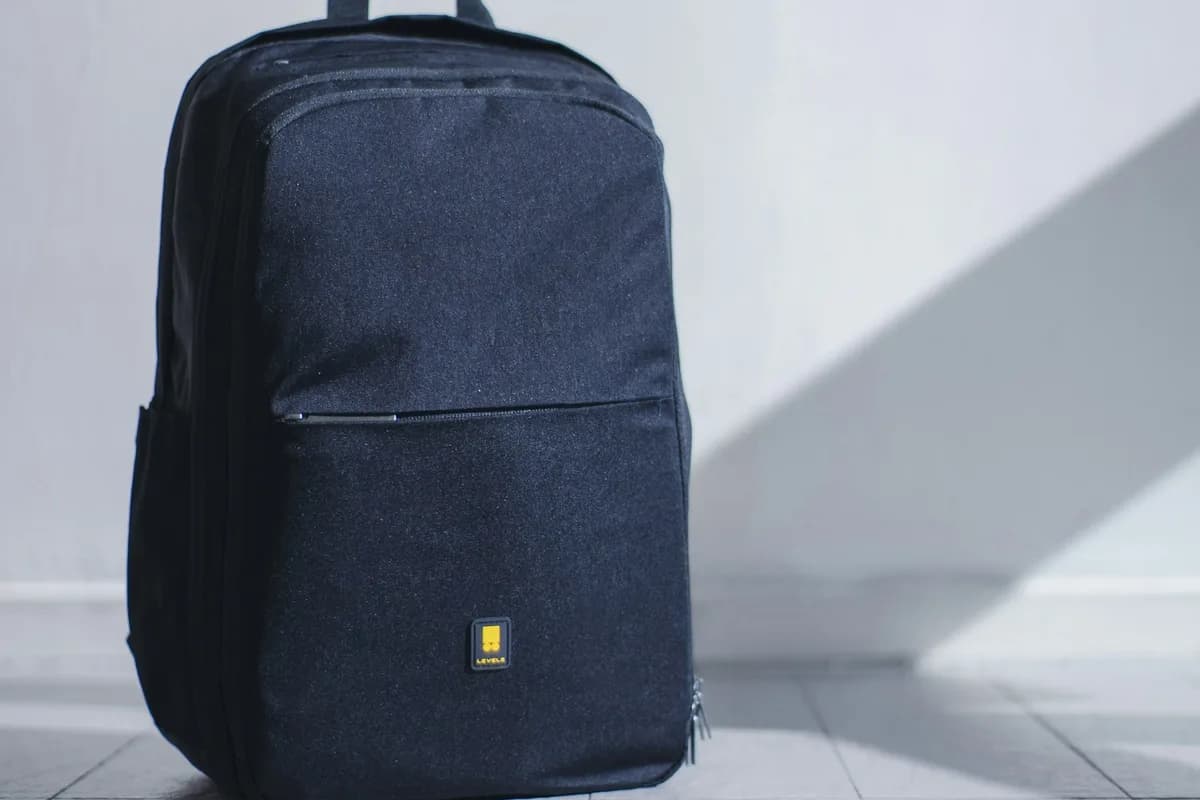
The Ultimate USA Packing List for 2026: What to Bring on Your American Trip
The Ultimate USA Packing List for 2026: What to Bring on Your American Trip
Packing for a US trip requires some thought because the country spans every climate zone from arctic (Alaska) to tropical (Hawaii, Florida) to desert (Arizona, Nevada). What you need for a week in New York in January is completely different from a California road trip in July or a Hawaiian beach vacation. This guide provides a core packing list that works for any US trip, plus seasonal and regional additions.
The Essential Documents
Get these right first -- everything else can be purchased in the US if forgotten.
Must-Have Documents
- Passport (valid for at least 6 months beyond your planned stay)
- ESTA approval (print the confirmation or save it to your phone) or visa
- Return/onward flight confirmation
- Hotel/accommodation reservations (at least for the first night -- CBP may ask)
- Travel insurance policy (print the emergency contact number and policy number)
- Driver's license (if you plan to rent a car) and International Driving Permit if applicable
- Credit/debit cards (at least two from different banks as backup)
- Cash -- $100-$200 in small US bills for tips and emergencies
Digital Backups
- Photograph or scan your passport, visa, travel insurance, and credit cards
- Email copies to yourself and store in a cloud service (Google Drive, iCloud, Dropbox)
- Download offline maps of your destination cities in Google Maps
- Save boarding passes to your phone's wallet app
Core Packing List (All Trips)
Clothing Basics
- 3-5 t-shirts or tops (mix of casual and slightly nicer for dining out)
- 2 pairs of pants/jeans (one casual, one slightly dressier)
- 1 pair of shorts (for warm destinations or summer)
- 5-7 sets of underwear and socks
- 1 light jacket or hoodie (useful even in summer for air-conditioned interiors)
- 1 set of sleepwear
- 1 swimsuit (even if not going to the beach -- many hotels have pools)
Footwear
- Comfortable walking shoes -- this is the most important item on the list. American cities require significant walking, and national park trails demand proper footwear. Break in new shoes before your trip.
- Casual sandals or flip-flops for the hotel, pool, and beach
- Optional: dressier shoes if you plan to eat at upscale restaurants or go out at night
Toiletries
- Sunscreen (SPF 30+, reef-safe for Hawaii and coastal areas)
- Toothbrush and toothpaste
- Deodorant
- Shampoo and conditioner (travel sizes for carry-on; full-size available cheaply at any US drugstore)
- Any prescription medications in original labeled containers
- Basic first aid: Band-Aids, pain relievers, antihistamines, anti-diarrheal medication
- Hand sanitizer
- Lip balm with SPF (especially for dry climates and high altitude)
- Insect repellent (for national parks, southern states, and summer evenings)
Tip: The US has CVS, Walgreens, and Target stores everywhere. If you forget a toiletry or need something specific, you can easily purchase it on arrival. Do not overpack toiletries.
Electronics
- Phone and charger
- US power adapter (Type A/B, flat two-prong) -- this is essential for non-American travelers
- Portable power bank (10,000-20,000 mAh for long days of sightseeing)
- Camera (if your phone camera is not sufficient)
- Headphones/earbuds (for flights and public transit)
- Universal travel adapter if traveling to multiple countries on the same trip
About voltage: The US uses 120V/60Hz, which is lower than the 220-240V used in Europe, Asia, and Australia. Most modern phone chargers, laptop chargers, and camera chargers are dual-voltage (look for "INPUT: 100-240V" on the charger). These only need a plug adapter. Hair dryers, curling irons, and electric razors often require a voltage converter or a US-compatible version.
Seasonal Packing Additions
Summer (June-August)
The US gets hot in summer -- often much hotter than many visitors expect.
Add to your list:
- Lightweight, breathable clothing (cotton or moisture-wicking synthetic)
- Wide-brimmed hat for sun protection
- High-SPF sunscreen (reapply every 2 hours outdoors)
- Sunglasses (polarized for driving)
- Refillable water bottle (1 liter minimum; hydration is critical in summer heat)
- Light rain jacket (summer thunderstorms are common in the Southeast and Southwest)
Regional notes:
- Southwest deserts: Temperatures regularly exceed 100-110F (38-43C). Lightweight long sleeves actually protect better than bare skin. Bring extra water for any outdoor activity.
- Southeast (Florida, Louisiana, Georgia): Very humid. Pack moisture-wicking fabrics and expect to change shirts if you are outdoors all day.
- Pacific Northwest (Seattle, Portland): Summer is the best time, but mornings can be cool (60F/16C). Bring a light layer.
Fall (September-November)
Fall is one of the best times to visit the US, with pleasant temperatures and beautiful foliage in the Northeast and Midwest.
Add to your list:
- Layers: The key to fall packing. Temperatures can range from 40F in the morning to 70F in the afternoon.
- Medium-weight jacket (denim, light down, or fleece)
- Scarf (doubles as warmth, sun protection, and a blanket on flights)
- Closed-toe walking shoes (trails may be wet with fallen leaves)
Winter (December-February)
Winter in the northern US and mountain regions is genuinely cold.
Add to your list:
- Heavy winter coat (for NYC, Chicago, Boston, or mountain areas)
- Thermal base layers (long-sleeve top and leggings)
- Warm hat, gloves, and scarf
- Waterproof insulated boots (especially for cities with snow)
- Wool socks
- Hand warmers (disposable packet warmers, available at any US drugstore for $1-$2)
Regional notes:
- New York, Chicago, Boston: Expect temperatures from 20-40F (-7 to 4C). Wind chill makes it feel colder. Pack seriously warm clothing.
- Florida and Southern California: Winter is mild and pleasant (60-75F/16-24C). Light layers are sufficient.
- Ski destinations (Colorado, Utah, Vermont): Specialized ski clothing is needed but can be rented at most resorts.
Spring (March-May)
Spring is unpredictable -- pack for variability.
Add to your list:
- Rain jacket or compact umbrella (spring showers are frequent nationwide)
- Layers that can be added or removed throughout the day
- Allergy medication if you are sensitive to pollen (US spring pollen is intense)
What NOT to Pack (TSA and Customs Restrictions)
TSA Carry-On Restrictions
The Transportation Security Administration (TSA) enforces strict carry-on rules:
Liquids:
- All liquids, gels, and aerosols in carry-on must be in containers of 3.4 oz (100 ml) or less
- All containers must fit in one quart-size (approximately 1 liter) clear plastic bag
- This includes: shampoo, lotion, toothpaste, liquid makeup, contact lens solution
Prohibited in carry-on:
- Sharp objects (knives, scissors with blades over 4 inches, razor blades)
- Tools (screwdrivers, wrenches, pliers over 7 inches)
- Sporting goods (baseball bats, golf clubs, hockey sticks)
- Firearms, ammunition, and replicas
- Lighters are allowed (one per person) but torch lighters are prohibited
Allowed in carry-on:
- Laptops, tablets, e-readers
- Medications (liquid medications exempt from the 3.4 oz rule with declaration)
- Baby formula and breast milk (exempt from liquid limits with declaration)
- Empty water bottles (fill after security)
US Customs Prohibited Items
These items cannot be brought into the United States:
- Fresh fruits and vegetables (most types -- always declare any food items)
- Fresh meat and meat products (jerky, pate, cured meats from some countries)
- Plants, seeds, and soil
- Cuban cigars (still restricted for many travelers)
- Absinthe (unless thujone-free)
- Kinder Surprise eggs (the original with non-food items inside the chocolate)
- Certain medications -- some over-the-counter drugs from other countries contain substances controlled in the US
Customs Declaration
You must declare:
- More than $10,000 in cash or monetary instruments
- All food items (even if you think they are allowed -- let CBP decide)
- Agricultural products (wood items, animal products)
- Goods purchased abroad exceeding your duty-free allowance ($800 for most travelers)
Packing by Trip Type
City Trip (NYC, Chicago, SF, LA)
- Comfortable walking shoes (you will walk 8-15 miles per day in NYC)
- Smart casual clothing for restaurants and nightlife
- Compact daypack or crossbody bag
- Portable phone charger
- Rain jacket or umbrella
- One dressier outfit for nicer restaurants
National Parks/Outdoor Trip
- Hiking boots or trail shoes (broken in before the trip)
- Moisture-wicking base layers
- Quick-dry hiking pants or shorts
- Fleece or down jacket (mountain temperatures drop significantly at night)
- Rain shell
- Daypack (20-30 liters) with hydration system
- Headlamp
- Blister kit and basic first aid
- Bear spray (rent or buy at park gateway towns -- cannot fly with it)
- Refillable water bottle (at least 1 liter, preferably 2 for desert hiking)
Beach Vacation (Florida, Hawaii, California)
- 2-3 swimsuits (so one can dry while you wear another)
- Cover-up or sarong
- Reef-safe sunscreen (required by law in Hawaii)
- Rash guard for sun protection
- Waterproof phone case
- Beach towel (or plan to buy a cheap one locally)
- Snorkel gear (optional -- easily rented)
Road Trip
- Everything for your destination's climate plus:
- Cooler bag for snacks and drinks (saves money versus gas station prices)
- Paper map or downloaded offline maps (cell service is unreliable in rural areas)
- Car phone mount for navigation
- USB car charger
- Sunglasses (essential for driving, especially in the West)
- Neck pillow for passenger naps
Smart Packing Tips
- Roll, do not fold. Rolling clothes saves space and reduces wrinkles.
- Wear your heaviest items on the plane. If you are packing boots and a winter coat, wear them instead of packing them.
- Pack one outfit per day, then remove 2-3 items. You will do laundry or buy something new.
- Bring an empty collapsible bag for souvenirs and shopping on the return trip.
- Use packing cubes to organize by category (tops, bottoms, underwear, electronics).
- Check baggage allowances before packing. International flights usually allow one checked bag (50 lbs/23 kg); US domestic flights on budget airlines often charge for checked bags.
- Leave room in your suitcase. American shopping (outlets, REI, thrift stores) is excellent, and you may want space for purchases.
FAQ
Can I bring food into the United States?
Some food items are allowed while others are prohibited. Commercially packaged snacks, chocolate, hard cheeses, and baked goods are generally fine. Fresh fruits, vegetables, meat, and dairy products are usually prohibited or must be declared. Always declare all food items on your customs form -- a failure to declare can result in fines of $300 or more.
What electronics do I need a power adapter for?
The US uses Type A and B plugs (flat two or three prongs) at 120V/60Hz. You will need a plug adapter if coming from Europe, the UK, Australia, or Asia. Most modern electronics (phones, laptops, camera chargers) have dual-voltage chargers (100-240V) and only need a plug adapter. Appliances like hair dryers may need a voltage converter or a US-compatible version.
Do I need to pack formal clothing for the US?
The US is generally casual. Smart casual (nice jeans, a clean shirt, and good shoes) is appropriate for nearly all restaurants, including upscale ones. The only exceptions are some Michelin-starred restaurants and exclusive nightclubs. For sightseeing, national parks, and day-to-day activities, casual comfortable clothing is perfectly fine.
How much cash should I bring to the US?
Bring $100-$200 in small denominations ($1, $5, $10, $20) for tips, small purchases, and emergencies. Credit and debit cards are accepted virtually everywhere -- many businesses are even card-only. You can withdraw additional cash from ATMs using your bank card. If you carry more than $10,000, you must declare it to US Customs.
Can I bring prescription medication into the US?
Yes. Keep all prescription medications in their original pharmacy-labeled containers with your name visible. Bring a letter from your doctor listing your medications, their generic names, and your medical condition. Some medications that are available over the counter in other countries may be controlled substances in the US -- check the DEA's controlled substances list if you are unsure about a specific medication.
Sources & References
This article is based on first-hand experience and verified with the following official sources:

Go2USA Editorial Team
Exploring the USA since 2023 | All 50 states covered | Updated monthly
We are a team of travel writers and American travel enthusiasts who explore the country year-round. Our guides are based on first-hand experience, local knowledge, and verified official sources.
More about us →People Also Read
How to Find Cheap Flights to the USA in 2026: Budget Booking Strategies
A comprehensive guide to finding the cheapest flights to the United States, covering the best booking strategies, cheapest months to fly, airline comparisons, budget tips, and tools that actually work for scoring affordable transatlantic and transpacific fares.

Safety Tips for Traveling in the USA: A Practical Guide for International Visitors
Everything international visitors need to know about staying safe in the United States, from general safety practices and areas to watch out for to emergency numbers, health insurance, common scams, and natural hazard awareness.

USA Visa & ESTA Guide 2026: Everything You Need to Know Before You Travel
A complete guide to US entry requirements for international travelers, covering ESTA applications, visa types, common mistakes to avoid, and up-to-date processing times for 2026.
USA on a Budget 2026: How to Travel America Without Breaking the Bank
America can be expensive, but with the right strategies you can have an incredible USA trip without spending a fortune. This practical guide covers budget accommodation, free attractions, cheap transport, and how to eat well for less.
Plan Your USA Trip
Book hotels, transport, activities, and get connected with an eSIM
Some links are affiliate links. We may earn a commission at no extra cost to you.