
West Coast
regionDetail.overview
The West Coast encompasses California, Oregon, and Washington — three states that together would form the world's 5th largest economy. The region is defined by dramatic geographic contrasts: the towering Olympic rain forest and Cascade volcanoes of the Pacific Northwest, the volcanic Cascades and wine-country valleys of Oregon, and California's enormous diversity from the Sierra Nevada to Death Valley to the Mojave Desert to 840 miles of Pacific coastline. The region has driven American innovation from the Gold Rush of 1849 through the aerospace industry to Silicon Valley's technology revolution. West Coast culture — health-conscious, environmental, progressive, and culinary — has profoundly shaped American national culture.
regionDetail.topExperiences
Best things to do in West Coast
Pacific Coast Highway Drive
Drive California State Route 1 from San Francisco south through Big Sur, Morro Bay, Santa Barbara, and Malibu to Los Angeles — one of the world's most spectacular coastal drives. Big Sur between Carmel and San Simeon is the most dramatic section, with sheer cliffs above the Pacific and the Bixby Creek Bridge.
Olympic National Park
Washington State's extraordinary national park encompasses three distinct ecosystems within 1,400 square miles: the temperate Hoh Rain Forest (record annual rainfall), the Olympic Mountain glaciers, and 73 miles of wild Pacific coast. No other park in the lower 48 has this range.
Redwood National Park
The coastal redwood (Sequoia sempervirens) is the world's tallest living thing, reaching 380 feet. The remaining groves on California's Humboldt Coast are awe-inspiring — walking among these 1,000-year-old giants is one of the most profound nature experiences in America.
Cities in West Coast
Explore destinations in this region
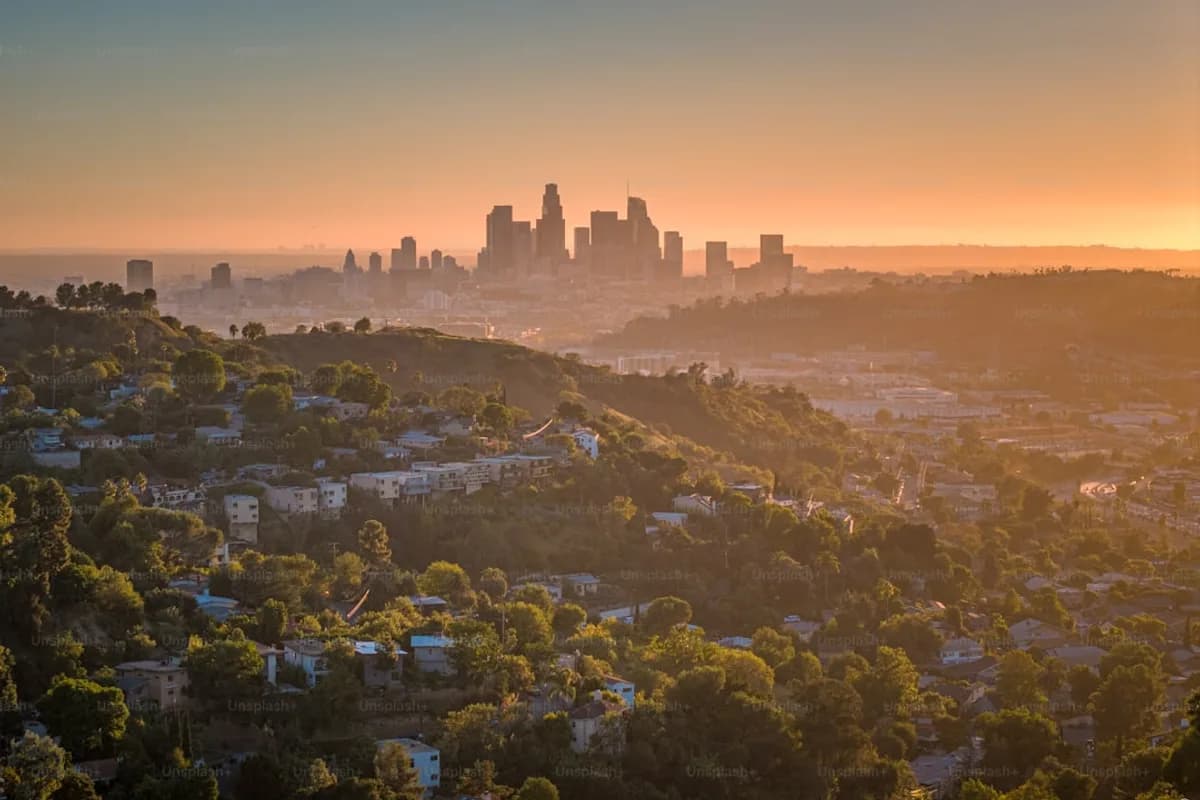
Los Angeles
West Coast
The City of Angels sprawls across 500 square miles of Pacific coastline, mountain canyons, and sun-drenched valleys, stitching together dozens of neighborhoods into the entertainment capital of the world. From hiking Griffith Park for skyline views to cruising Pacific Coast Highway at sunset, LA offers endless experiences for those willing to explore beyond the Hollywood sign.
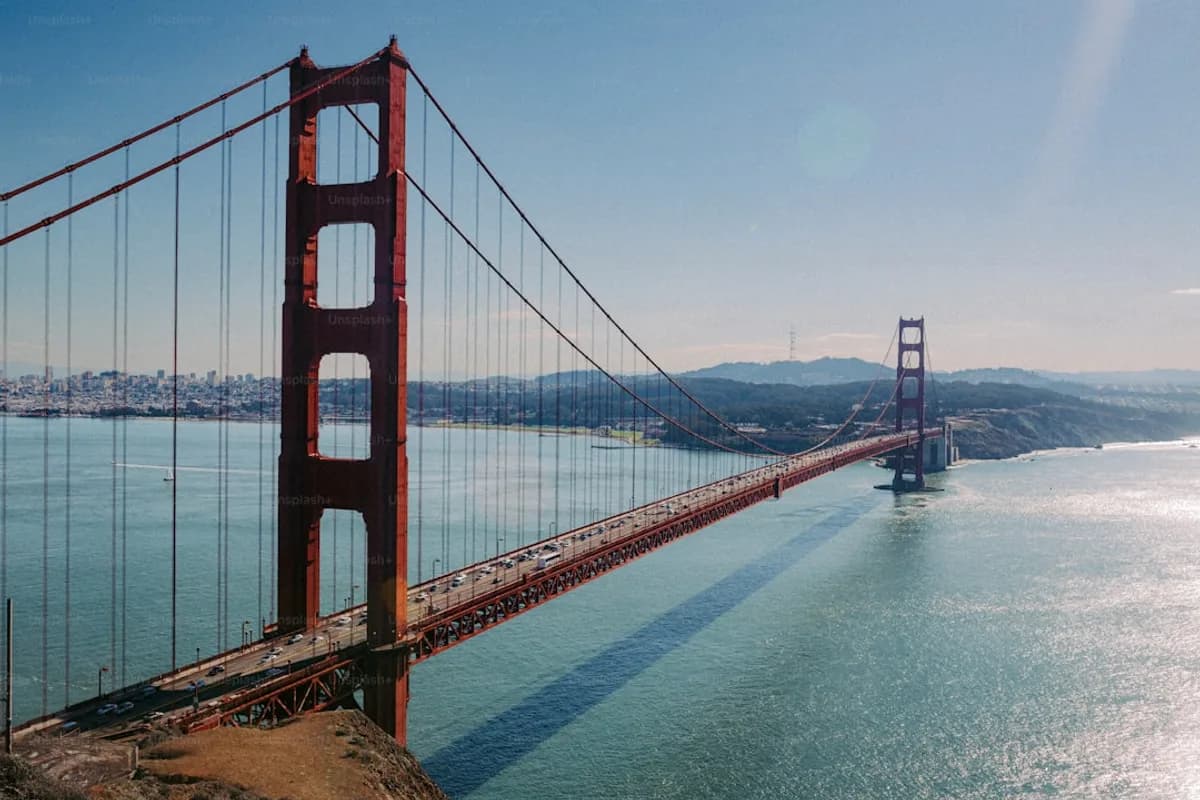
San Francisco
West Coast
Perched on a peninsula of 49 hills, San Francisco is one of America's most beautiful and eccentric cities — a place where Victorian painted ladies stand beside glass tech towers, fog rolls in off the bay like a living thing, and the Golden Gate Bridge frames every foggy morning in gold. The city's compact size, walkability, and extraordinary food scene make it one of the most rewarding urban destinations in North America.
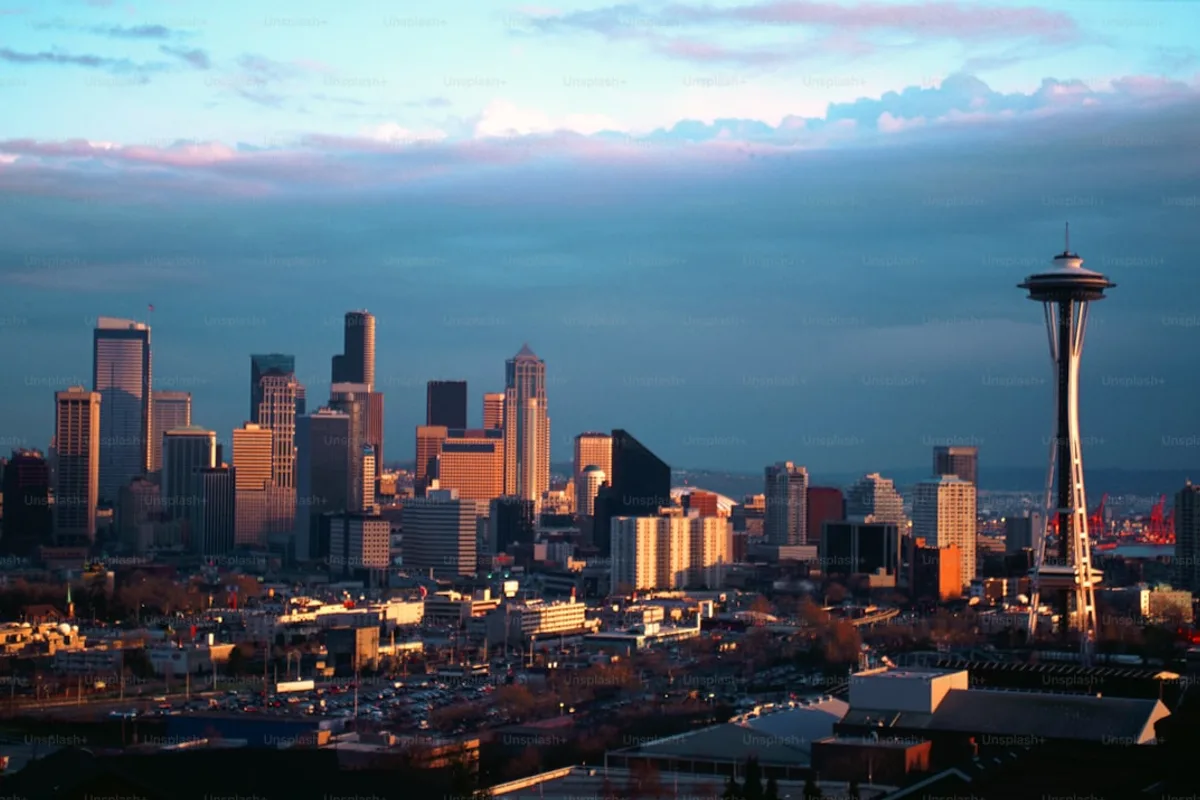
Seattle
West Coast
Ringed by water and mountains, Seattle is one of America's most dramatically situated cities — a dynamic Pacific Northwest metropolis where the original Starbucks, the world's most innovative tech companies, the freshest Pacific seafood markets, and some of the country's most spectacular hiking are all within easy reach. Seattle's renowned coffee culture, vibrant music scene, and proximity to Mount Rainier and the Olympic Peninsula make it an outstanding destination year-round.
Best Time to Visit
Recommended Period
June to October — Summer and early fall bring ideal weather throughout the region. The Pacific Northwest summers (June-September) are spectacular and uniquely sunny. California is pleasant year-round but summer is optimal for coastal activities. Oregon's coast is surprisingly cool even in summer — bring layers.
Food & Specialties
West Coast cuisine pioneered America's farm-to-table and health-conscious food movements, and the region's diversity produces extraordinary Asian, Mexican, and fusion food cultures.
California cuisine — Alice Waters' Chez Panisse in Berkeley invented modern American farm-to-table cooking
Mission-style burritos — San Francisco's Mission District invented the giant foil-wrapped burrito in the 1960s
Fish tacos — a Baja California/Southern California tradition: battered and fried fish in corn tortillas with cabbage and crema
Dungeness crab — the signature Pacific Northwest seafood, best from October to June
Pacific salmon — wild Alaskan and Pacific Northwest salmon is the region's most prized protein
Oregon Dungeness crab and Dungeness crab cioppino — San Francisco's Italian-fisherman's stew is a Pacific tradition
Craft beer and wine — both California wine and Pacific Northwest craft brewing are world-class
Getting There
How to reach West Coast
By Air
Los Angeles (LAX), San Francisco (SFO), and Seattle (SEA) are major international gateways with comprehensive global connections. Portland (PDX) serves the Pacific Northwest. Oakland (OAK) and San Jose (SJC) are budget alternatives to SFO.
By Train
Amtrak's Coast Starlight runs from Seattle to Los Angeles (35 hours) through spectacular Pacific scenery, stopping at Portland, Sacramento, San Jose, and San Luis Obispo. The Pacific Surfliner connects Los Angeles to San Diego (2.75 hours) and Santa Barbara. The Cascades connects Seattle to Portland (3.5 hours) and Vancouver, BC.
By Bus
Greyhound and FlixBus connect major West Coast cities. Budget options for Seattle-Portland and LA-San Francisco.
Getting Around
The Pacific Coast Highway and I-5 (the main inland freeway) are the primary north-south routes. A car is essential for exploring the national parks and coastal scenery. Within cities, public transit ranges from excellent (San Francisco BART, Seattle Light Rail) to minimal (Los Angeles Metro, improving). Road trips are the quintessential West Coast travel experience.
Accommodation
Where to stay in West Coast
Budget
Hostel dorms from $40-80/night in coastal cities. Budget motels along US-101 $70-120/night.
Mid-Range
Mid-range hotels $150-350/night in major cities. Vacation rentals along the coast are popular but expensive in summer.
Luxury
Luxury resorts from $400-2,000+/night. Big Sur's Post Ranch Inn and Napa's Meadowood are among America's most exclusive properties.
Safety
The West Coast is generally safe. Wildfire season (July-October) can affect air quality and road access throughout California and Oregon — check alerts when visiting. Coastal fog and cold ocean water make swimming dangerous at many northern California and Pacific Northwest beaches. Earthquake risk exists throughout the Pacific Coast but rarely affects travelers. Urban areas have neighborhoods to avoid at night — exercise normal big-city precautions.
Travel Tips
Insider advice for West Coast
- 1Book national park camping and lodging months in advance — Yosemite, Olympic, Crater Lake, and Redwood parks fill up completely in summer.
- 2The Pacific Coast Highway (CA-1) has frequent closures for landslides — check Caltrans road conditions before driving Big Sur.
- 3San Francisco's summer is cold and foggy — the hottest days in SF are in September and October.
- 4Seattle summers (June-September) are genuinely spectacular — the rest of the year is wet and gray. Plan a summer visit if possible.
- 5California state parks and national parks: buy an America the Beautiful National Parks pass ($80/year) if visiting multiple parks — it pays for itself quickly.