Best Time to Visit the USA: Month-by-Month Seasonal Guide
Best Time to Visit the USA: Month-by-Month Seasonal Guide
The United States spans six time zones, four distinct climate regions, and an extraordinary range of landscapes from sub-arctic tundra to tropical volcanic islands. Choosing when to visit depends entirely on where you want to go — and what you want to do. This guide breaks down the best time to visit every major US region.
Quick Answer: Best Overall Months
For a multi-region trip across the US, May, September, and October consistently offer the best combination of pleasant temperatures, manageable crowds, and lower prices compared to peak summer.
Month-by-Month Breakdown
January and February — The Winter Season
Best for: Southern beaches, ski resorts, Hawaii, the Southwest desert
Winter in the US varies dramatically by region:
The Northeast and Midwest are cold — very cold in January and February. New York temperatures average 25-38°F (-4 to 3°C). Chicago can drop to single digits. However, cities continue operating normally: Broadway shows, world-class museums, restaurant reservations are all easier and cheaper in winter. Hotel rates are 30-50% lower in January-February than in peak summer.
The South offers its best weather in winter. Miami's December-February temperatures (68-80°F/20-27°C) are ideal — dry, comfortable, and free of summer's oppressive humidity. New Orleans is quieter and more affordable before Mardi Gras season builds.
The Southwest (Las Vegas, Grand Canyon, Sedona) is cool but comfortable in winter — daytime temperatures in the Grand Canyon rim area average 45-55°F (7-13°C), making hiking pleasant. The desert wildflower season begins in February after winter rains.
Hawaii is in its cooler, windier season — still 75-80°F (24-27°C) and perfectly pleasant, with humpback whale watching at its peak (December-April) and the North Shore's legendary big waves.
Best January-February destinations: Miami, the Florida Keys, Key West, New Orleans (before Mardi Gras), the Hawaiian Islands (whale watching), Sedona AZ, and any ski resort.
March and April — Spring Awakening
Best for: The Northeast, Washington D.C., California, the South (before summer heat)
Spring brings one of America's greatest natural spectacles: the cherry blossom season in Washington D.C. (typically peak bloom March 20-April 10), the New York Botanical Garden's cherry blossoms, and the dogwood blossoms throughout the Southeast.
Washington D.C. in cherry blossom season is extraordinary but extraordinarily crowded — accommodation must be booked months ahead and prices triple during peak bloom week. The National Mall lined with pink blossoms and reflecting pools is genuinely stunning.
New England is unpredictable in March (still cold, possible late snowstorms) but improving through April. By May, Boston's Public Garden and the Freedom Trail are beautiful in warm spring light.
The South is at its best in March-April before summer heat sets in. Nashville, Charleston, Savannah, and New Orleans are all excellent at this time — warm enough to eat outdoors but not the brutal heat of July.
California wildflowers bloom throughout March-April, particularly spectacular in the Antelope Valley (Lancaster, CA) and across the hills of Southern California after wet winters. Wine country in Napa and Sonoma is quieter and cheaper than summer.
Mardi Gras typically falls in February or March (it's always the Tuesday before Ash Wednesday, 47 days before Easter) — one of the greatest celebrations in the Western Hemisphere. Book a year in advance.
May and June — The Sweet Spot
Best for: Almost everywhere
May and early June are the "Goldilocks" travel months for much of the United States — warm but not oppressively hot, pre-peak-season prices (until Memorial Day weekend in late May, when summer officially begins), and long days.
The Pacific Northwest comes alive in June — Seattle's famously gray skies give way to consistently sunny days from late June through September. Mount Rainier's wildflower meadows bloom in July.
New England is beautiful in May-June: the Connecticut River Valley, Maine coast, and Cape Cod are gorgeous before Fourth of July crowds arrive. Lobster season is in full swing.
The Rocky Mountains are accessible but can still have snow at elevation in May — mountain hiking is typically best from late June onward when the alpine meadows bloom.
Warning: Memorial Day weekend (last Monday of May) and July Fourth (Independence Day) are the two busiest and most expensive travel weekends in the US. Prices spike, accommodation books up completely, and national parks are overwhelmed. Plan around these dates if possible.
July and August — Peak Summer
Best for: The Pacific Northwest, Upper Midwest lake country, mountain resorts, beach communities, and those who don't mind crowds
American summer is genuinely glorious in many parts of the country — but it comes with significant caveats.
The Southwest (Las Vegas, Phoenix, Grand Canyon, Sedona) reaches brutal temperatures: 110-115°F (43-46°C) in Las Vegas and Phoenix, 100°F+ at the Grand Canyon. Outdoor activities before 7am and after 5pm are the only comfortable options.
The South (New Orleans, Nashville, Atlanta, Miami) is oppressively hot and humid in July-August. New Orleans regularly exceeds 95°F (35°C) with near-100% humidity. Hurricane risk begins building.
The Northeast has warm, pleasant summers (NYC averages 80-85°F/27-29°C in July-August) with humidity. Beach communities — the Hamptons, Cape Cod, Jersey Shore, Maine coast — are at full buzz and full prices.
The Pacific Northwest (Seattle, Portland) offers perfect summer weather — the warmest and sunniest months of the year with temperatures in the 75-85°F (24-29°C) range and virtually no rain. Seattle's outdoor lifestyle (hiking, kayaking, outdoor concerts) is at its absolute best.
The Great Lakes beaches (Lake Michigan's Indiana Dunes, Michigan's dunes) are excellent in summer — warm water, white sand, and far fewer crowds than the Atlantic or Pacific coasts.
September and October — The Best Season
Best for: The entire country, with fall foliage as the special attraction
September and October are arguably the best months to travel in America:
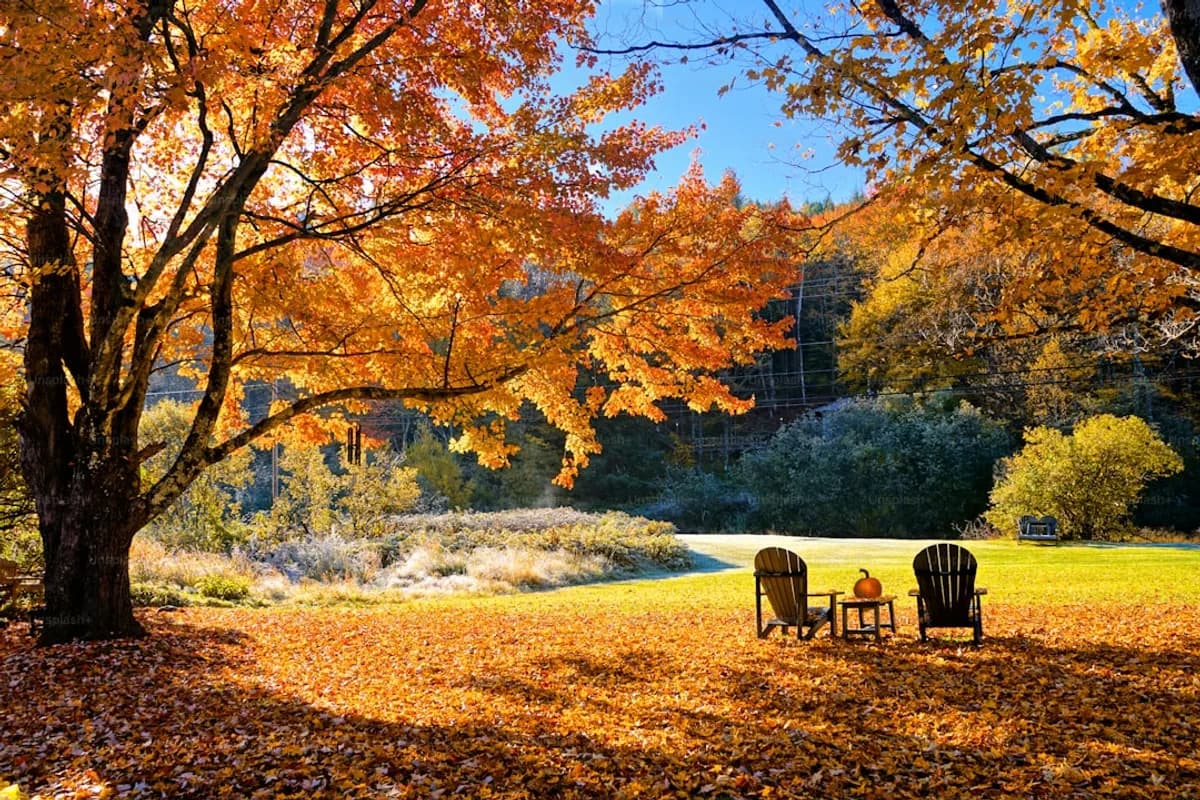
New England fall foliage peaks in stages from northern Maine (late September) through southern New England (mid-to-late October) and is one of the world's great natural spectacles. The Green and White Mountains of Vermont and New Hampshire, the Berkshires in western Massachusetts, and the Hudson Valley in New York turn spectacular shades of red, orange, and gold. Book accommodation in Vermont (particularly Stowe and Woodstock) months in advance.
The Rocky Mountains have excellent fall hiking — the aspens turn brilliant gold in Colorado and Utah, typically peaking in late September. Fewer crowds than summer.
The Southwest returns to comfortable hiking temperatures in October — the Grand Canyon's South Rim, Zion, Bryce Canyon, and Sedona are excellent. Crowds are significantly lower than summer.
Hurricane season peaks in September along the Gulf and Atlantic coasts, with the highest risk the first two weeks of September. Monitor forecasts carefully if traveling to Florida, the Gulf Coast, or the Southeast.
The Pacific Northwest begins its rainy season in October — summer is definitively over. Visit in September for the last of the wonderful weather.
National parks across the country are beautiful in fall, with changing foliage and significantly fewer visitors than summer. Accommodation returns to reasonable prices after Labor Day (first Monday of September).
November and December — The Holiday Season
Best for: The West Coast (dry season), the Southwest, and for experiencing American holiday culture
November brings a significant shift: most of the country cools down dramatically, outdoor activities move to indoor venues, and the great American holiday season begins.
Thanksgiving (fourth Thursday of November) is the most traveled holiday in the US — Wednesday before Thanksgiving is the single busiest travel day of the year. If you can, avoid traveling on this day. Experiencing Thanksgiving dinner (turkey, stuffing, cranberry sauce, pumpkin pie) with an American family or at a hotel that offers it is genuinely special.
Christmas in New York City is magical — the Rockefeller Center Christmas tree, Fifth Avenue holiday windows, ice skating in Central Park and Bryant Park, Radio City Music Hall Christmas Spectacular. The city is at its most atmospheric and most expensive; the week between Christmas and New Year's is exceptionally busy.
California and the West Coast are in their dry season through early fall, with warm days and fewer tourists than summer.
The Southwest is pleasant for hiking in November-December, with excellent light and crisp, cool days.
Regional Summary
| Region | Best Months | Avoid |
|---|---|---|
| New York City | Apr-Jun, Sep-Nov | Jan-Feb (cold), Aug (hot/humid) |
| Washington D.C. | Apr-Jun, Sep-Nov | July-Aug (hot/humid) |
| Miami | Nov-Apr | June-Sep (heat, hurricanes) |
| New Orleans | Mar-May, Oct-Nov | June-Sep (heat, hurricanes) |
| Chicago | Jun-Sep | Dec-Feb (brutally cold) |
| Las Vegas | Mar-May, Sep-Nov | Jun-Aug (extreme heat) |
| San Francisco | Sep-Nov | Jun-Jul (fog) |
| Los Angeles | Year-round | — |
| Seattle | Jun-Sep | Oct-May (gray and rainy) |
| Hawaii | Apr-Jun, Sep-Nov | Peak summer prices Jul-Aug |
| Grand Canyon | Apr-Jun, Sep-Nov | Jul-Aug (extreme heat), Dec-Feb (snow) |
Special Events Worth Timing Your Trip Around
January
- Mardi Gras season begins in New Orleans (parades start weeks before Fat Tuesday)
- Tournament of Roses Parade, Pasadena CA (January 1)
March-April
- Washington D.C. Cherry Blossom Festival (late March/early April)
- Coachella Valley Music and Arts Festival, Indio CA (two weekends)
- Masters golf tournament, Augusta GA
May-June
- Memorial Day (late May) — summer begins, beaches open
- Jazz Fest, New Orleans (late April/early May) — one of America's greatest music festivals
July
- Independence Day (July 4) — fireworks nationwide, spectacular in NYC, D.C., and Boston
August
- Lollapalooza, Chicago (early August) — major music festival
- Burning Man, Nevada desert (late August/early September)
September-October
- New England fall foliage peaks
- New York Film Festival
- Austin City Limits Music Festival, Austin TX (October)
November
- New York City Marathon (first Sunday)
- Las Vegas F1 Grand Prix (mid-November)
- Thanksgiving (fourth Thursday)
December
- Art Basel Miami Beach (first week) — the world's most important contemporary art fair
- National Christmas Tree lighting, Washington D.C.
- New Year's Eve in Times Square, New York City
Practical Booking Tips
Hotels: Book 2-4 weeks ahead for most cities, except:
- Cherry blossom season in D.C.: months ahead
- Mardi Gras in New Orleans: a year ahead
- New Year's Eve anywhere popular: months ahead
- July Fourth in beach towns: months ahead
National Parks: Book campsite reservations at recreation.gov as soon as they open (typically 6 months ahead for peak season). Yosemite requires timed-entry permits in summer — book as early as possible.
Flights: Domestic US flights are generally cheapest 3-8 weeks before travel for leisure routes. Use Google Flights to track prices and find the best deal.
Sources & References
This article is based on first-hand experience and verified with the following official sources:

Go2USA Team
Exploring the USA since 2023 | All 50 states covered | Updated monthly
We are a team of travel writers and American travel enthusiasts who explore the country year-round. Our guides are based on first-hand experience, local knowledge, and verified official sources.
More about us →People Also Read

The Ultimate USA Packing List for 2026: What to Bring on Your American Trip
A comprehensive packing list for traveling to the United States, organized by season and region, covering clothing, electronics, documents, toiletries, restricted items, and insider tips to pack smart and avoid common mistakes.
How to Find Cheap Flights to the USA in 2026: Budget Booking Strategies
A comprehensive guide to finding the cheapest flights to the United States, covering the best booking strategies, cheapest months to fly, airline comparisons, budget tips, and tools that actually work for scoring affordable transatlantic and transpacific fares.
USA Visa & ESTA Guide 2026: Everything You Need to Know Before You Travel
A complete guide to US entry requirements for international travelers, covering ESTA applications, visa types, common mistakes to avoid, and up-to-date processing times for 2026.
USA on a Budget 2026: How to Travel America Without Breaking the Bank
America can be expensive, but with the right strategies you can have an incredible USA trip without spending a fortune. This practical guide covers budget accommodation, free attractions, cheap transport, and how to eat well for less.
Plan Your USA Trip
Book hotels, transport, activities, and get connected with an eSIM
Some links are affiliate links. We may earn a commission at no extra cost to you.