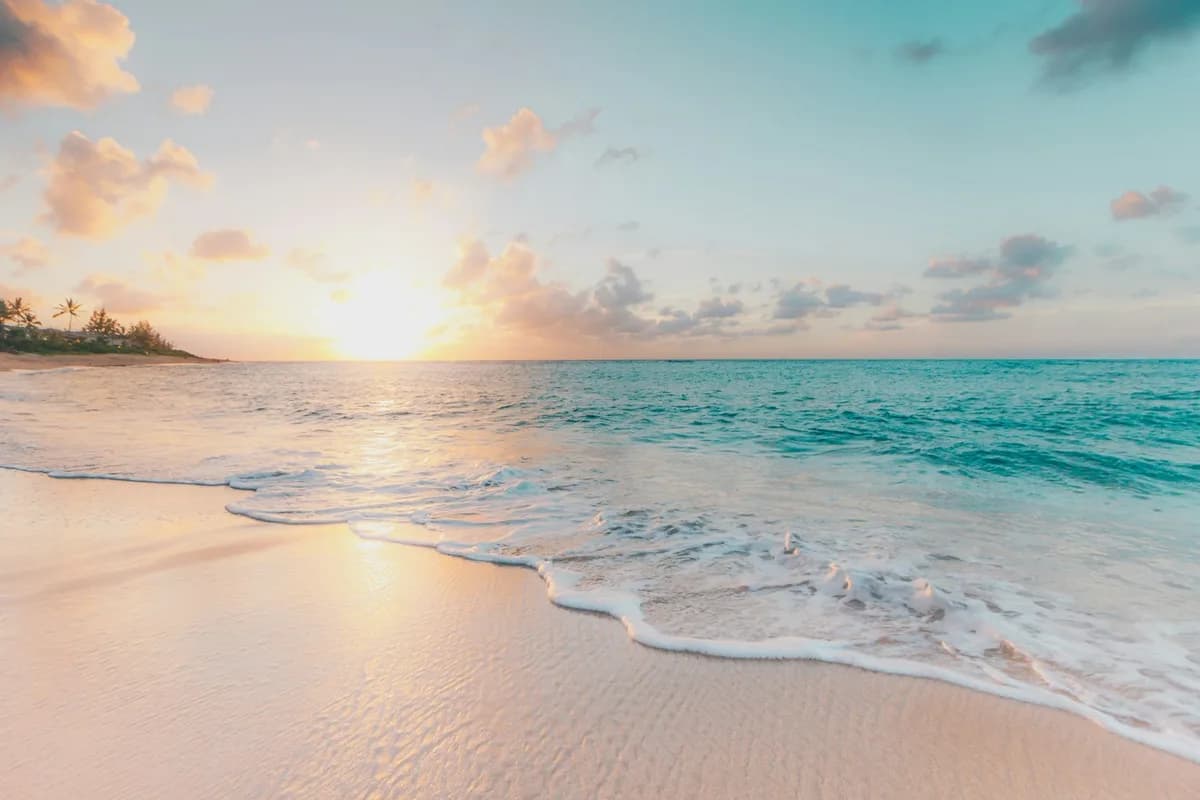
The 15 Best Beaches in the USA for 2026: From Coast to Coast
The 15 Best Beaches in the USA for 2026: From Coast to Coast
The United States has over 95,000 miles of coastline stretching across the Atlantic, Pacific, and Gulf of Mexico, plus the volcanic shores of Hawaii and the tropical sands of the US Virgin Islands. From the dramatic sea stacks of Oregon to the sugar-white sands of Florida's Gulf Coast, American beaches offer extraordinary variety. These are the 15 best beaches in the country, chosen for scenery, water quality, accessibility, and overall experience.
East Coast Beaches
1. Siesta Key Beach, Sarasota, Florida
Siesta Key consistently ranks as the number one beach in the United States, and for good reason. The sand here is composed of 99% pure quartz crystal, which means it stays cool even in the blazing Florida sun -- you can walk barefoot at noon in July without burning your feet. The sand is so fine and white it squeaks when you walk on it.
Why it is special:
- Powder-fine white sand that stays cool to the touch
- Calm, shallow turquoise water perfect for families
- Wide beach with plenty of space even during peak season
- Free public access with free parking (arrive early on weekends)
- Voted America's best beach multiple times by Dr. Beach (Stephen Leatherman)
Best time: March through May (warm weather, smaller crowds than summer) Water temperature: 72-86F (22-30C) depending on season
2. Outer Banks, North Carolina
The Outer Banks (OBX) is a 200-mile chain of barrier islands stretching along the North Carolina coast. This is not a single beach but an entire coastline of wild, windswept beaches backed by dunes and maritime forests. It feels authentically untouched compared to the more developed beaches further south.
Highlights:
- Cape Hatteras National Seashore -- 70 miles of protected, undeveloped beach
- Excellent surfing, especially around Rodanthe and Hatteras
- Wild horses roaming the beaches of Corolla
- The Wright Brothers National Memorial at Kitty Hawk
- Dramatic lighthouses (Cape Hatteras, Bodie Island, Ocracoke)
Best time: June through September Water temperature: 70-80F (21-27C) in summer
3. Cape Cod National Seashore, Massachusetts
Cape Cod's National Seashore protects 40 miles of pristine Atlantic coastline with dramatic sand cliffs, crashing surf, and cranberry bogs. This is New England's finest beach destination, combining natural beauty with charming seaside towns.
Top beaches within the National Seashore:
- Marconi Beach -- high bluffs, dramatic views, good swimming
- Coast Guard Beach -- consistently ranked among America's best, excellent for bodyboarding
- Race Point Beach -- wide, wild, with possible whale sightings from shore
Best time: Late June through August (water is cold before July) Water temperature: 60-68F (16-20C) in summer -- refreshing rather than warm
4. South Beach, Miami, Florida
South Beach is more than a beach -- it is one of the most vibrant urban beach scenes in the world. The combination of Art Deco architecture, turquoise water, beautiful people, world-class restaurants, and nightlife makes it an experience unlike any other American beach.
Why it is special:
- Iconic Art Deco historic district one block from the sand
- Warm, clear Atlantic water with gentle waves
- People-watching that rivals any beach on earth
- Lummus Park provides a shaded, landscaped buffer between Ocean Drive and the beach
- Free access to the beach itself
Best time: November through April (dry season, comfortable temperatures, peak social scene) Water temperature: 75-85F (24-29C)
Gulf Coast Beaches
5. Gulf Islands National Seashore, Florida/Mississippi
Stretching from Mississippi to the Florida Panhandle, this national seashore encompasses some of the most beautiful and least crowded white-sand beaches in the country. The sand is almost pure white, the water is emerald green, and the beaches feel genuinely wild.
Highlights:
- Fort Pickens area (Pensacola Beach) -- historic fort plus stunning beach
- Johnson Beach (Perdido Key) -- often empty even in summer
- Pristine barrier islands accessible only by boat
- Excellent snorkeling around the fort structures
Best time: April through June (warm water, before peak hurricane season) Entrance fee: $25 per vehicle, valid for 7 days
6. South Padre Island, Texas
South Padre Island sits at the southern tip of Texas on the Gulf of Mexico, offering warm water, consistent waves, and a relaxed beach town atmosphere. The 34-mile island has both developed resort areas and wild, undeveloped stretches to the north.
Why it is special:
- Some of the warmest Gulf water in Texas
- Sea turtle rescue center (Sea Turtle Inc.) where you can see rehabilitation
- Excellent kiteboarding and windsurfing conditions
- Bioluminescent bay tours (seasonal, typically summer months)
- Less crowded than Florida's Gulf Coast at lower prices
Best time: April through June and September through October Water temperature: 78-86F (26-30C) in summer
West Coast Beaches
7. Pfeiffer Beach, Big Sur, California
Pfeiffer Beach is one of the most dramatic and photogenic beaches in the world. Framed by towering rock formations with a natural arch through which the sunset light creates a purple glow on the sand, this is Big Sur's hidden gem. The beach is not easy to find -- and that is part of its charm.
Why it is special:
- Keyhole Arch creates stunning light effects at sunset (best in December-January)
- Purple-tinged sand from manganese garnet deposits
- Dramatic rock formations and crashing Pacific waves
- Remote, uncrowded, and undeveloped
- Part of the iconic Big Sur coastline
Important note: This is not a swimming beach. The water is cold (50-60F/10-16C) with powerful currents. Come for the scenery, photography, and the raw power of the Pacific.
Best time: Year-round for scenery; December-February for the best Keyhole Arch light Access: Small parking lot, $12 fee, opens at 9 AM. Arrive early -- it fills quickly.
8. Coronado Beach, San Diego, California
Coronado Beach is Southern California beach perfection: a wide, flat stretch of golden sand with the iconic Hotel del Coronado as a backdrop. The beach is spacious enough to feel uncrowded even in summer, and the water is warmer than Northern California beaches.
Why it is special:
- Wide, clean, golden sand backed by the historic Hotel del Coronado (built 1888)
- Gentle waves suitable for swimming and beginner surfing
- Spectacular sunsets over the Pacific
- The "Wizard of Oz" factor -- L. Frank Baum wrote much of the book while staying at the Hotel del Coronado
- Free parking along Ocean Boulevard
Best time: July through October (warmest water and most sun) Water temperature: 62-72F (17-22C) in summer
9. Cannon Beach, Oregon
Cannon Beach is dominated by Haystack Rock, a 235-foot sea stack that rises from the shore like a natural cathedral. This is Pacific Northwest coastal scenery at its most dramatic -- misty, moody, and unforgettable.
Why it is special:
- Haystack Rock is one of the most recognizable landmarks on the Oregon coast
- Tide pools teeming with starfish, anemones, and crabs at the base of Haystack Rock
- Charming beach town with excellent galleries and restaurants
- Featured in the movie "The Goonies"
- Oregon's beaches are all public by law -- free access everywhere
Best time: July through September (driest months; expect fog and rain otherwise) Water temperature: 50-58F (10-14C) -- too cold for swimming without a wetsuit, but beautiful for walking
Hawaii Beaches
10. Lanikai Beach, Oahu, Hawaii
Lanikai Beach on Oahu's windward coast is consistently rated one of the most beautiful beaches in the world. The water is an almost unreal shade of turquoise, calm and warm, with the Mokulua Islands providing a picturesque backdrop.
Why it is special:
- Crystal-clear, calm turquoise water perfect for swimming and kayaking
- Fine, soft white sand
- The Mokulua Islands are reachable by kayak (approximately 1 mile offshore)
- Residential neighborhood access means no large resort crowds
- Stunning sunrise views
Best time: May through September (calmest water) Water temperature: 77-82F (25-28C) year-round Note: No public parking lot -- street parking in the residential neighborhood is limited. Arrive before 8 AM on weekends.
11. Papohaku Beach, Molokai, Hawaii
Papohaku Beach is Hawaii's longest white-sand beach at nearly 3 miles, and on the quiet island of Molokai, you may have it almost entirely to yourself. This is the Hawaii that existed before the resorts -- wild, expansive, and humbling.
Why it is special:
- Nearly 3 miles of wide, white sand -- often completely empty
- No high-rise resorts, no crowds, no vendors
- Powerful surf and wind create a raw, dramatic atmosphere
- One of the few places in Hawaii where you can experience true beach solitude
- Spectacular sunsets facing west toward Oahu
Best time: April through September (calmer water; winter waves can be very large) Water temperature: 75-80F (24-27C) year-round Important: Strong currents make swimming dangerous on many days. Check conditions and only swim when surf is calm.
12. Poipu Beach, Kauai, Hawaii
Poipu Beach on Kauai's sunny south shore offers the best combination of swimmable water, family friendliness, and natural beauty on the Garden Island. A natural breakwater creates a protected pool ideal for children, while the open side offers snorkeling with green sea turtles and Hawaiian monk seals.
Why it is special:
- Protected swimming area perfect for families and children
- Frequent sightings of endangered Hawaiian monk seals resting on the sand
- Excellent snorkeling with sea turtles just offshore
- Consistent sunshine (Kauai's south shore gets far less rain than the north)
- Adjacent to the Poipu Shopping Village for restaurants and supplies
Best time: April through October (driest months, calmest water) Water temperature: 75-80F (24-27C) year-round
Hidden Gem Beaches
13. Cumberland Island National Seashore, Georgia
Cumberland Island is Georgia's largest barrier island, accessible only by a 45-minute ferry from St. Marys. With no cars, no shops, and no paved roads on most of the island, this is one of the wildest beach experiences on the East Coast. Wild horses roam the dunes and ruins of Gilded Age mansions crumble under live oaks draped with Spanish moss.
Why it is special:
- Wild horses roaming the beach and island interior
- Ruins of Carnegie-era mansions in a subtropical forest
- 17 miles of undeveloped beach
- Limited to approximately 300 visitors per day (ferry reservation required)
- Feels like stepping back in time
Best time: March through May and October through November Access: Ferry from St. Marys, GA ($22 round trip for adults, $18 for seniors)
14. Assateague Island, Maryland/Virginia
Like Cumberland Island, Assateague is famous for its wild horses -- descendants of domestic horses that have roamed free for centuries. The 37-mile barrier island is divided between a national seashore and a state park, offering pristine Atlantic beaches with a unique wildlife backdrop.
Why it is special:
- Wild horses wandering the beach and campgrounds
- Excellent birdwatching (over 300 species recorded)
- Backcountry camping right on the beach (permit required)
- Less crowded than nearby Ocean City, Maryland
- Both Maryland and Virginia sides offer different experiences
Best time: June through September for swimming; spring and fall for birding and fewer bugs Entrance fee: $25 per vehicle (National Seashore side)
15. Dry Tortugas National Park, Florida
Reaching Dry Tortugas requires a 70-mile boat ride or seaplane flight from Key West, but the effort is rewarded with some of the most pristine snorkeling water in the United States. The park centers on Fort Jefferson, a massive 19th-century fortress surrounded by turquoise water teeming with marine life.
Why it is special:
- Crystal-clear water with visibility of 60-100 feet
- Exceptional snorkeling directly from the beach -- coral, tropical fish, sea turtles, and nurse sharks
- Fort Jefferson is an architectural marvel and a fascinating piece of history
- Extremely limited visitor numbers keep it pristine
- Stars at night are extraordinary (no light pollution for 70 miles)
Best time: March through May (calm seas, best visibility) Access: Yankee Freedom ferry from Key West ($220 round trip including breakfast, lunch, and snorkel gear) or seaplane ($350+ round trip)
Practical Beach Tips
Packing Essentials
- Reef-safe sunscreen (required by law in Hawaii, good practice everywhere)
- Rash guard for extended sun exposure
- Water shoes for rocky beaches and tide pooling
- Cooler with ice for drinks and snacks (beach vendors are expensive)
- Beach umbrella or shade tent if visiting beaches without natural shade
Safety
- Rip currents are the number one beach hazard. If caught, swim parallel to shore until free of the current, then swim in.
- Always swim near lifeguards when available
- Check flag warnings: Green = safe, Yellow = caution, Red = dangerous/no swimming, Purple = marine life hazard
- Jellyfish and stingrays: Shuffle your feet when entering the water in the Gulf and South Atlantic to avoid stepping on stingrays
FAQ
What is the best beach month in the US?
It depends on the coast. East Coast and Gulf beaches are best from June through September. California beaches peak from July through October when the water is warmest. Hawaii beaches are excellent year-round, with the calmest waters from May to September. Florida's beaches are ideal from March through May, offering warm weather before hurricane season begins.
Are US beaches free to access?
Most US beaches are free to access. Some charge for parking ($10-$30 per day is common at popular beaches). National seashore beaches charge vehicle entrance fees ($25-$30). A few beaches, particularly in New Jersey, charge beach badge fees during summer ($5-$10 per day). State and county beaches in Florida, California, and Hawaii are almost always free.
Is it safe to swim at US beaches?
Most popular US beaches have lifeguards during summer months and are safe for swimming. Always swim near a lifeguard station, check for posted warnings about rip currents or water quality, and observe flag warning systems. Rip currents are the most significant danger -- if caught in one, swim parallel to shore rather than fighting against it.
Which US beaches have the warmest water?
The warmest beach water in the continental US is found in South Florida (80-87F in summer), the Florida Keys, and the Gulf Coast. Hawaii offers warm water year-round (75-82F). Pacific Ocean beaches in California are notably colder (55-68F even in summer) due to cold currents from the north. The US Virgin Islands also offer warm Caribbean water.
Can I have alcohol on US beaches?
It varies significantly by location. Many US beaches prohibit alcohol, and open container laws make drinking in public illegal in most states. However, some beaches in parts of Florida, Texas, and a few other states do allow it. Always check local regulations before bringing alcohol to a beach. Glass containers are almost universally banned on beaches.
Sources & References
This article is based on first-hand experience and verified with the following official sources:

Go2USA Editorial Team
Exploring the USA since 2023 | All 50 states covered | Updated monthly
We are a team of travel writers and American travel enthusiasts who explore the country year-round. Our guides are based on first-hand experience, local knowledge, and verified official sources.
More about us →People Also Read
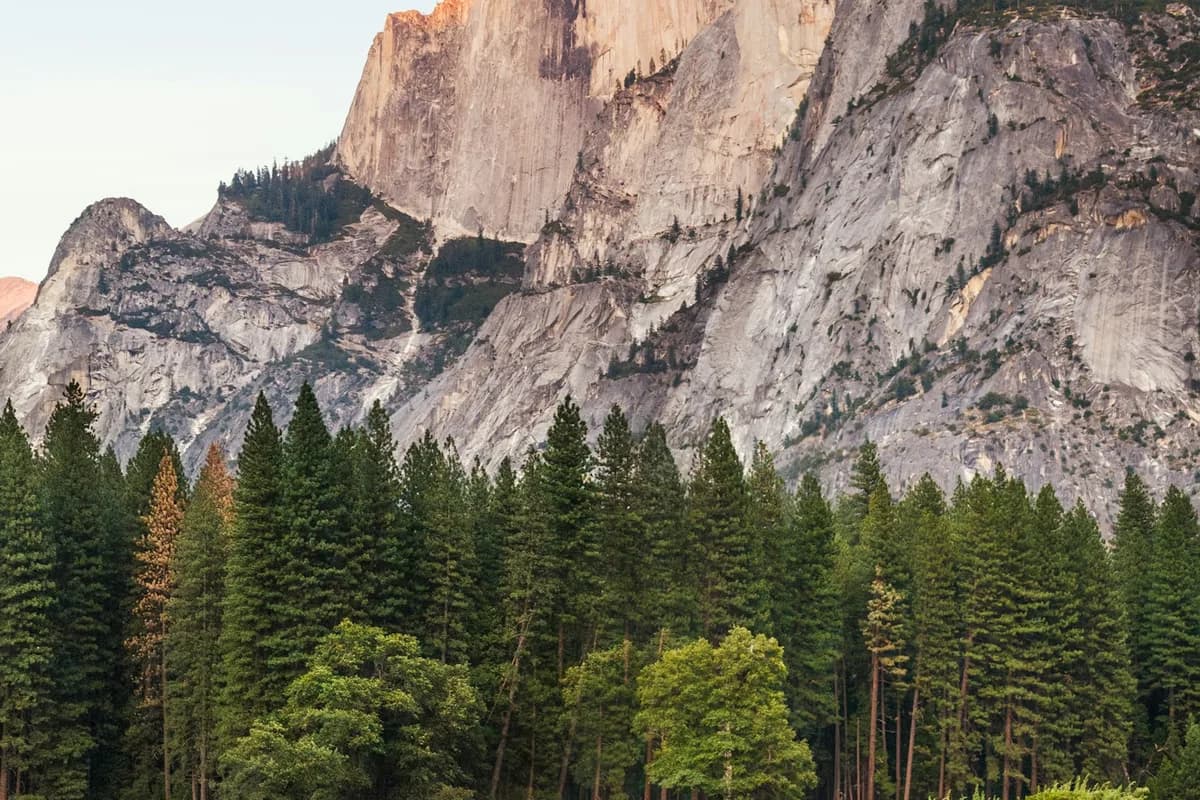
The Ultimate National Parks Road Trip: How to Plan an Epic American Adventure
Plan the perfect national parks road trip across the United States with our complete guide to route planning, the best parks to combine, camping versus lodges, seasonal timing, and realistic cost breakdowns.
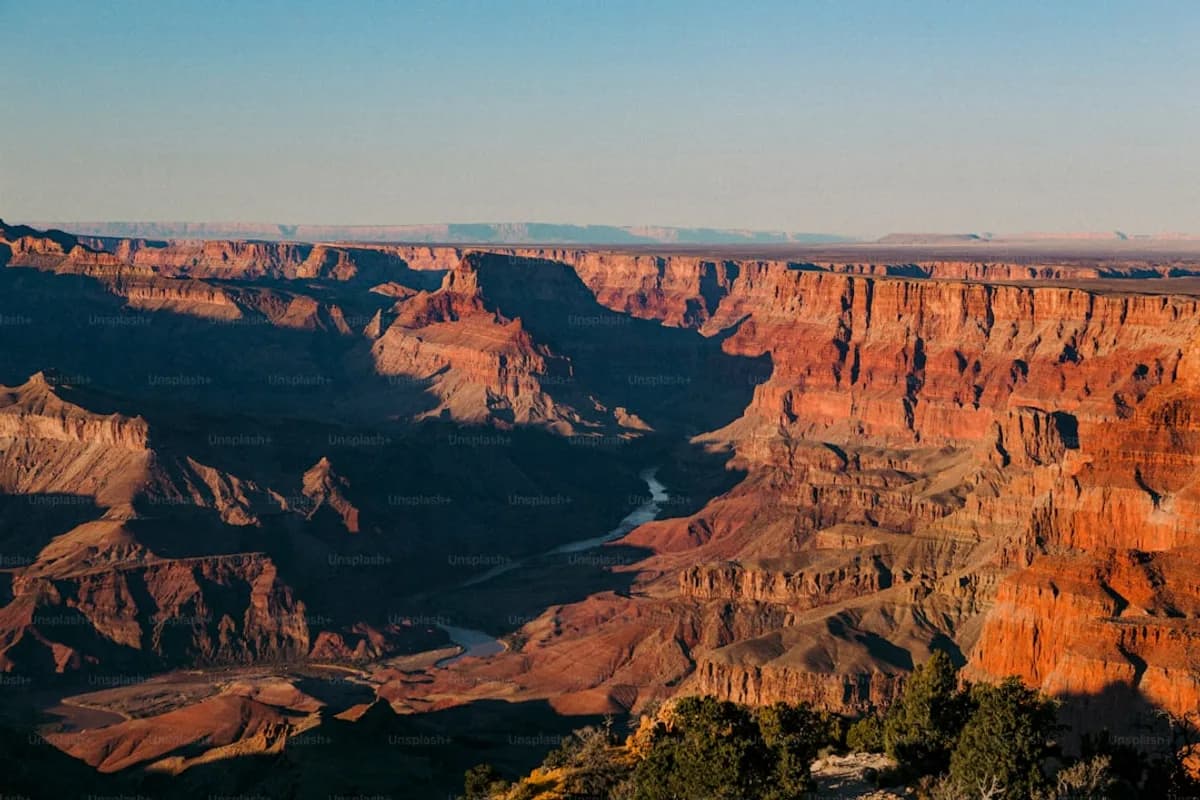
USA National Parks Guide: The Top 12 Parks to Visit
America's national parks are called 'the best idea America ever had.' This guide covers the top 12 national parks — from the Grand Canyon and Yellowstone to Zion and the Great Smoky Mountains — with everything you need to plan your visit.
New York City Complete Guide: Neighborhoods, Attractions & Where to Stay
Complete NYC guide covering neighborhoods, top attractions, dining, accommodations & practical tips for planning your New York City trip.

Amtrak Cross-Country: Real 2026 Guide to Coast-to-Coast by Train
Can you take Amtrak coast to coast? Real 2026 routes (California Zephyr, Southwest Chief), costs ($213 coach / $1500 sleeper), and whether the 52-hour ride is worth it.
Plan Your USA Trip
Book hotels, transport, activities, and get connected with an eSIM
Some links are affiliate links. We may earn a commission at no extra cost to you.