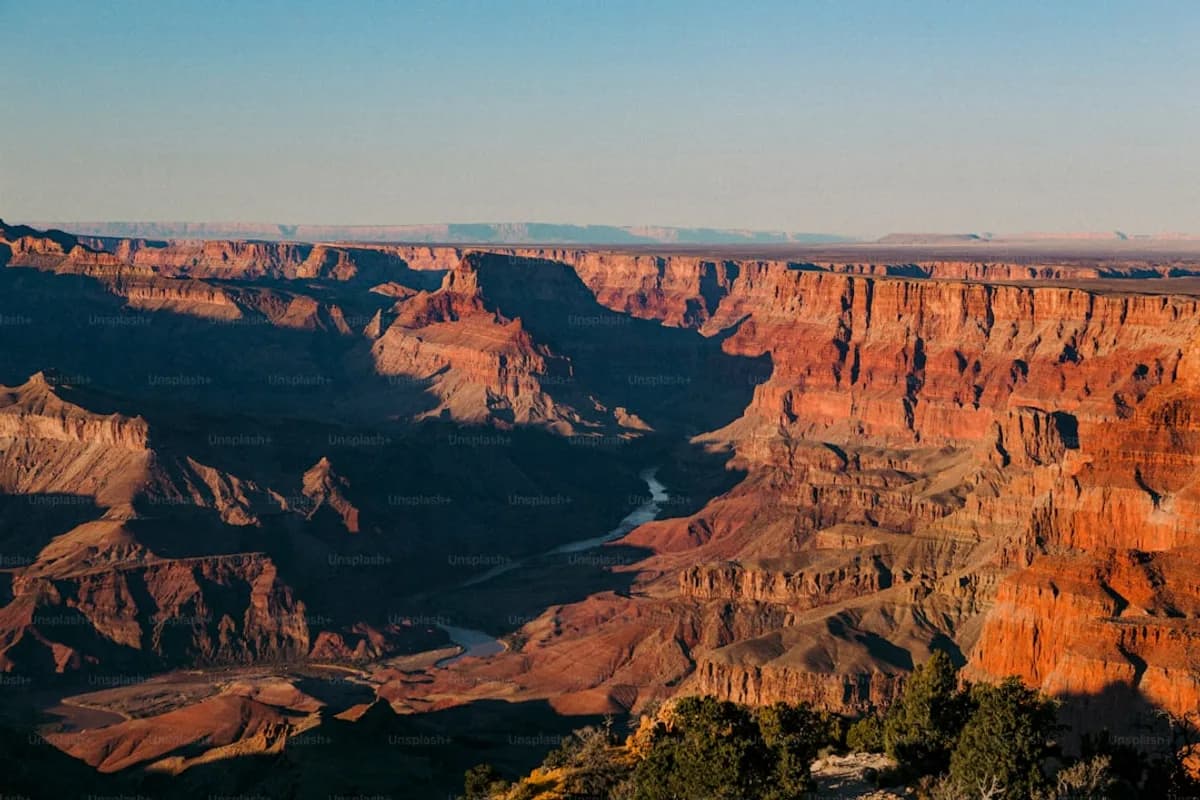
USA National Parks Guide: The Top 12 Parks to Visit
USA National Parks Guide: The Top 12 Parks to Visit
Writer Wallace Stegner called the national parks "the best idea America ever had." The National Park Service manages 63 national parks and 420+ total sites across the country — a system of protected wilderness that includes some of the most spectacular landscapes on earth. This guide covers the twelve most iconic parks.
Essential Planning: The America the Beautiful Pass
Before diving into individual parks, one piece of practical advice: if you plan to visit more than two national parks, buy the America the Beautiful National Parks and Federal Recreational Lands Pass ($80 per vehicle annually). It covers entrance fees to all 420+ NPS sites — you'll save money after your second park visit. Available at all park entrance stations or online at store.usgs.gov/pass.
Timed-entry permits: Many popular parks (Yosemite, Acadia, Rocky Mountain, Glacier, Arches) have implemented reservation systems for peak season (typically May-October). Book through recreation.gov as early as possible — permits release months in advance and popular slots sell out within minutes.
1. Grand Canyon National Park, Arizona
The Essentials
- Entrance fee: $35 per vehicle (or America the Beautiful pass)
- Best time: March-May, September-November
- Location: 278 miles from Las Vegas; 230 miles from Phoenix
The Grand Canyon is one of the world's seven natural wonders and the most awe-inspiring landscape in America. Nearly 1 mile deep, 10 miles wide, and 277 miles long, the canyon reveals 2 billion years of Earth's geological history in layered rock walls that glow orange, red, and purple in the changing light.
What to do: The South Rim is the most accessible and most visited section (open year-round). The free shuttle buses make getting around easy without a car. Mather Point and Yavapai Point offer the classic canyon views.
Hiking: The Bright Angel Trail descends from the South Rim to the Colorado River in 9.5 miles one way — extremely strenuous and potentially dangerous in summer heat. Day hikers should go no farther than the 3-mile resthouse (1,140-foot descent). Never hike down and back in one day to the river in summer — rangers have had to rescue thousands of people who underestimated the heat.
The Rim Trail is an easy, paved path along the South Rim — excellent for stunning views without exertion.
Rafting: Multi-day rafting trips through the canyon are one of the world's great wilderness adventures (300+ miles, 5-21 days). Book 1-2 years in advance with commercial operators or enter the NPS lottery for private trip permits.
Practical tip: Grand Canyon Village has historic lodges, restaurants, and a general store. Book canyon lodges 6-12 months ahead. Las Vegas is the most common access point for day trips (helicopter tours available).
2. Yellowstone National Park, Wyoming
The Essentials
- Entrance fee: $35 per vehicle
- Best time: June-September (most roads open)
- Location: Primarily in northwestern Wyoming, spilling into Montana and Idaho
Yellowstone is the world's first national park (established 1872) and sits above one of the planet's largest supervolcanic calderas, producing the world's most concentrated collection of geothermal features — more than 10,000 hydrothermal features including 500+ geysers.
What to see:
- Old Faithful geyser erupts approximately every 90 minutes, shooting 8,400 gallons of boiling water 106-185 feet into the air. The visitor center displays the predicted next eruption time.
- Grand Prismatic Spring is the world's third-largest hot spring and its most visually spectacular — a 370-foot wide pool of brilliant blues, greens, and oranges from heat-adapted bacteria. Best viewed from the overlook trail above (not just from ground level).
- Lamar Valley is America's best wildlife viewing area. Bison herds, pronghorn, elk, gray wolves, grizzly bears, and black bears are all regularly spotted. The valley is known as "America's Serengeti."
- Mammoth Hot Springs — terraced limestone formations deposited by hot spring water, similar in appearance to Pamukkale in Turkey.
Wildlife safety: Yellowstone has real wildlife. Stay at least 100 yards from bears and wolves, 25 yards from all other wildlife. Never approach or feed animals. Carry bear spray when hiking away from crowds.
Practical: Book accommodation (Yellowstone Lodge, Old Faithful Inn) 12+ months ahead. Camping at Madison or Canyon campgrounds books up months in advance on recreation.gov.
3. Yosemite National Park, California
The Essentials
- Entrance fee: $35 per vehicle (or pass)
- Best time: May-June, September-October
- Location: 4 hours from San Francisco, 6 hours from Los Angeles
- Timed-entry reservations required May-October
Yosemite Valley is possibly the most photographed valley in the world — granite monoliths (Half Dome, El Capitan), waterfalls (Yosemite Falls, Bridalveil Fall), and mirror-surface meadows creating a landscape of almost surreal beauty.
The iconic views:
- Valley View (or Valley View Pullout) on Valley Floor Tour — the classic panorama of El Capitan, Bridalveil Fall, and the Cathedral Rocks
- Tunnel View — at the eastern end of the Wawona Tunnel, the iconic first view of Yosemite Valley
- Valley of Yosemite from Artist's Point
Best hikes:
- Mirror Lake Loop (5 miles, easy): Reflection of Half Dome in still water
- Vernal Fall via Mist Trail (5.4 miles, strenuous): Climb alongside two massive waterfalls, getting drenched in the spray
- Half Dome (16-17 miles, extremely strenuous): The iconic hike requires a permit ($10, extremely competitive lottery in April for summer dates) and involves climbing the final 400 feet on steel cables fixed in the granite
Avoiding crowds: Yosemite Valley in July is genuinely overwhelming. The valley rim (Glacier Point, Tuolumne Meadows) and early morning (before 8am) valley visits are far more pleasant.
4. Zion National Park, Utah
The Essentials
- Entrance fee: $35 per vehicle
- Best time: March-May, September-November
- Location: 2.5 hours from Las Vegas, 4.5 hours from Salt Lake City
Zion's dramatic canyon of white, pink, and red Navajo sandstone is among the most beautiful landscapes in the world. The 15-mile main canyon, carved by the Virgin River, walls reaching 2,000+ feet above the canyon floor.
Signature hikes:
- Angels Landing (5.4 miles, very strenuous): Climbs 1,488 feet to a narrow spine of rock above the canyon with 1,000-foot sheer drops on each side. The final section involves chains bolted into the rock for handholds. Breathtaking views; requires nerve. Permit required ($6) via lottery on recreation.gov.
- The Narrows (variable length, moderate): Walk upstream through the Virgin River itself — wading knee-to-waist deep through a slot canyon with walls 1,000 feet high and sometimes only 20 feet wide. One of the world's great natural walks. Water shoes and trekking poles available to rent in Springdale.
- Emerald Pools (1.2-3 miles, easy to moderate): Three tiered pools fed by springs, through a gorgeous hanging garden canyon.
Getting around: The park's free shuttle system serves the main canyon (no private vehicles on the main canyon road in peak season). Springdale, the adjacent town, has restaurants, gear shops, and accommodation for all budgets.
5. Great Smoky Mountains National Park, Tennessee/North Carolina
The Essentials
- Entrance fee: FREE (the only major national park with no entrance fee)
- Best time: Late October for fall foliage; June for firefly synchrony
- Location: 2.5 hours from Knoxville TN; 3 hours from Atlanta
The most visited national park in America (over 12 million visitors per year) sits astride the Tennessee-North Carolina border and encompasses 800 square miles of the ancient Appalachian Mountains. The "Smoky" name comes from the natural blue haze produced by the tree-covered mountains.
Why to visit:
- Fall foliage peaks in mid-to-late October — the hardwood forests turn spectacular reds, oranges, and yellows
- Synchronous fireflies light up for two weeks in June — a rare bioluminescent event where thousands of fireflies synchronize their flashes. Tickets required to access the viewing area ($1 reservation fee, extremely popular)
- Wildlife: The Smokies have the highest black bear density in the Eastern US (over 1,500 bears), plus white-tailed deer, wild turkey, and red foxes commonly seen
- Historic buildings: Preserved Appalachian homesteads and grist mills throughout the park
Key areas: Clingmans Dome (highest point in the park, 6,643 feet; short but steep paved walk to an observation tower with 360-degree views); Cades Cove (11-mile one-way loop through a historic valley with wildlife viewing); Roaring Fork Motor Nature Trail.
6. Grand Teton National Park, Wyoming
The Essentials
- Entrance fee: $35 per vehicle (covers both Grand Teton and Yellowstone for 7 days)
- Best time: July-September
- Location: Immediately south of Yellowstone
The Teton Range rises abruptly 7,000+ feet from the flat Jackson Hole valley floor — no foothills, just an instant, extraordinary wall of jagged peaks. The view of the Cathedral Group (Grand Teton, Mount Owen, Teewinot) reflected in String Lake or Jenny Lake on a clear morning is one of the most beautiful scenes in North America.
Hiking:
- Jenny Lake Loop (7.4 miles, moderate): One of the finest hikes in the Tetons, with optional ferry across the lake and extension to Cascade Canyon
- Paintbrush Canyon to Cascade Canyon Loop (19 miles, strenuous): The definitive Teton backcountry experience over Holly Lake and Hurricane Pass
Jackson, Wyoming is the gateway town — a sophisticated mountain resort with excellent restaurants, art galleries, and a famous elk antler arch at the town square. The National Museum of Wildlife Art overlooks the National Elk Refuge.
7. Acadia National Park, Maine
The Essentials
- Entrance fee: $35 per vehicle (timed-entry required June-October)
- Best time: September-October (fall foliage + smaller crowds)
- Location: 4.5 hours from Boston
Acadia, centered on Mount Desert Island off the Maine coast, is New England's only national park — a spectacular landscape of pink granite coastline, spruce-fir forests, and the highest point on the US Atlantic seaboard (Cadillac Mountain, 1,530 feet).
Don't miss:
- Cadillac Mountain summit — from October 7 through March 6, this is the first place in the US to see the sunrise. The summit road (and the Cadillac Mountain Summit Loop Trail) provides spectacular panoramic ocean views.
- Thunder Hole — at certain tide levels, incoming waves compress air in a small cave producing a thunderous boom and geyser spray
- Jordan Pond House — the restored 1870s teahouse serves the traditional popovers (light, hollow rolls) with butter and strawberry jam, a century-old Acadia tradition
- The carriage roads — 45 miles of broken-stone carriage roads built by John D. Rockefeller Jr. are perfect for cycling and walking through the forest
Bar Harbor — the charming gateway town has excellent seafood restaurants, whale watching tours, and a genuine New England fishing village atmosphere.
8. Olympic National Park, Washington
The Essentials
- Entrance fee: $30 per vehicle
- Best time: June-September
- Location: 100 miles from Seattle (via ferry or bridge)
Olympic is one of America's most ecologically diverse national parks — encompassing temperate rainforest, glaciated Olympic Mountains, and 73 miles of wild Pacific coast, all within a single park boundary.
The Hoh Rain Forest receives up to 14 feet of rainfall annually, producing the lushest temperate rain forest in North America — ancient Sitka spruce and Western hemlock draped in thick mosses and ferns. The Hall of Mosses trail (0.8 miles) is otherworldly in its beauty.
Hurricane Ridge offers stunning views of the Olympic Mountains — accessible by a 17-mile paved road from Port Angeles. The visitor center at 5,242 feet is surrounded by alpine meadows with wild Olympic marmots and black-tailed deer.
The Wild Coast: Rialto Beach and Ruby Beach are the most accessible sections of the park's wild coastline — enormous driftwood logs, sea stacks, and the roaring Pacific. The 73-mile wilderness coastline is one of the most pristine in the continental US.
9. Rocky Mountain National Park, Colorado
The Essentials
- Entrance fee: $35 per vehicle (timed-entry required late May to mid-October)
- Best time: Late June-September for hiking; late September for elk rut and golden aspens
- Location: 1.5 hours from Denver
At an average elevation of 11,000+ feet, Rocky Mountain is the highest national park in the continental US. Trail Ridge Road (the highest continuously paved road in the US, reaching 12,183 feet) crosses the Continental Divide and provides access to alpine tundra above treeline.
Highlights:
- Elk rut (late September-October): Hundreds of bull elk bugling and battling in the Kawuneeche Valley and Moraine Park — one of the most dramatic wildlife spectacles in North America
- Bear Lake area hikes: Dream Lake, Nymph Lake, and Emerald Lake are accessible, beautiful, and offer spectacular views of Hallet Peak and Flattop Mountain
- Alpine tundra wildflowers (July-August): The tundra above treeline blooms with miniature wildflowers in summer
Altitude warning: The park is genuinely high. Altitude sickness (headache, nausea, fatigue) is common for visitors from sea level, especially those arriving directly from the airport. Stay hydrated, acclimatize in Estes Park (7,522 feet) for a day before hiking higher, and ascend gradually.
10. Hawaii Volcanoes National Park, Hawaii
The Essentials
- Entrance fee: $35 per vehicle
- Best time: Year-round (volcano activity varies)
- Location: On the Big Island of Hawaii; 30 miles from Hilo
Hawaii Volcanoes encompasses the two most active volcanoes on earth — Kilauea (which erupted almost continuously from 1983 to 2018 and resumed erupting in 2020) and Mauna Loa (which erupted dramatically in 2022 for the first time in 38 years).
Highlights:
- Kilauea Caldera and Halema'uma'u Crater: The caldera summit is viewable from the Jaggar Museum overlook (check current conditions — lava lake visibility varies)
- Chain of Craters Road: Descends 3,700 feet from the caldera to the coast through an extraordinary lava landscape, passing numerous craters and lava tube formations
- Thurston Lava Tube (Nahuku): A 500-year-old walk-through lava tube, lit for visitors
- Pu'u Loa Petroglyphs: One of Hawaii's largest collections of ancient Hawaiian rock carvings, including over 23,000 images
Active lava viewing depends on current volcanic activity — check the USGS Hawaiian Volcano Observatory website for current conditions before your visit.
11. Glacier National Park, Montana
The Essentials
- Entrance fee: $35 per vehicle (vehicle reservation required July-September for Going-to-the-Sun Road)
- Best time: Mid-July to mid-September
- Location: 5 hours from Missoula, MT; 8 hours from Seattle
"The Crown of the Continent" — Glacier's 1 million acres of pristine Montana wilderness, 130+ named lakes, 700 miles of trails, and the extraordinary Going-to-the-Sun Road across the Continental Divide make it one of the most dramatic parks in the country.
Going-to-the-Sun Road: The 50-mile road across the park is one of the world's great drives — narrow, winding, hugging cliff faces above Logan Pass (6,646 feet) where bighorn sheep and mountain goats roam. Vehicle reservations required peak season.
Logan Pass: The alpine meadows around the Continental Divide Visitor Center are spectacular in July-August — wildflowers, mountain goats, grizzly bears, and breathtaking peaks.
Grinnell Glacier: A 7.6-mile (one way) hike to one of the park's remaining glaciers. The park once had 150 glaciers; fewer than 25 remain due to climate change. This hike rewards with incomparable mountain scenery and a glacier-fed turquoise lake.
12. Arches National Park, Utah
The Essentials
- Entrance fee: $30 per vehicle (timed-entry required April-October)
- Best time: March-May, September-November
- Location: Adjacent to Moab, Utah; 4.5 hours from Salt Lake City
The world's greatest concentration of natural stone arches — over 2,000 in a 76,519-acre park — in a landscape of orange sandstone fins, balanced rocks, and towering monoliths. The park is small and crowds are significant in peak season, but its landscapes are genuinely otherworldly.
Must-see features:
- Delicate Arch: Utah's most famous natural landmark (it's on the Utah license plate) — a 65-foot freestanding arch with a perfect frame of sky. The 3-mile round-trip hike gains 480 feet. At sunrise or sunset, the arch glows gold against the canyon backdrop.
- Landscape Arch: At 306 feet, the longest natural arch in the world — so thin (11 feet at its narrowest) that large chunks have fallen off since 1991. View from the easy Devils Garden Trail.
- The Windows: A cluster of large arches including North and South Windows, easily accessible with minimal walking.
Combining with Canyonlands and Monument Valley: Moab, the nearest town, is the base for three extraordinary areas — Arches NP, Canyonlands NP (more remote and dramatic than Arches), and the road south toward Monument Valley (Navajo Tribal Park) creates one of America's great road trip combinations.
Planning Resources
- Recreation.gov — all national park camping reservations and timed-entry permits
- NPS.gov — official park information, trail conditions, and road status
- America the Beautiful Pass — $80, covers all NPS fees for one year
- Hiking Project app — GPS-enabled trail maps
- iOverlander and Freecampsites.net — free camping sites near national parks
The America's national parks are genuinely one of the country's greatest gifts to visitors and residents alike — preserved landscapes of extraordinary beauty, accessible to everyone. Plan ahead, leave no trace, and experience them for yourself.
Sources & References
This article is based on first-hand experience and verified with the following official sources:

Go2USA Team
Exploring the USA since 2023 | All 50 states covered | Updated monthly
We are a team of travel writers and American travel enthusiasts who explore the country year-round. Our guides are based on first-hand experience, local knowledge, and verified official sources.
More about us →People Also Read
The Ultimate National Parks Road Trip: How to Plan an Epic American Adventure
Plan the perfect national parks road trip across the United States with our complete guide to route planning, the best parks to combine, camping versus lodges, seasonal timing, and realistic cost breakdowns.
The 15 Best Beaches in the USA for 2026: From Coast to Coast
Discover the top 15 beaches in America ranked by scenery, water quality, and overall experience, covering the East Coast, West Coast, Hawaii, and the Gulf of Mexico with practical tips for each destination.
California Road Trip Itinerary: Pacific Coast Highway and Beyond
The ultimate California road trip — drive the legendary Pacific Coast Highway from San Francisco to Los Angeles, with detours into wine country, Big Sur, and the national parks of the Sierra Nevada. A complete 10-14 day itinerary.

New York City Complete Guide: Neighborhoods, Attractions & Where to Stay
Complete NYC guide covering neighborhoods, top attractions, dining, accommodations & practical tips for planning your New York City trip.
Plan Your USA Trip
Book hotels, transport, activities, and get connected with an eSIM
Some links are affiliate links. We may earn a commission at no extra cost to you.