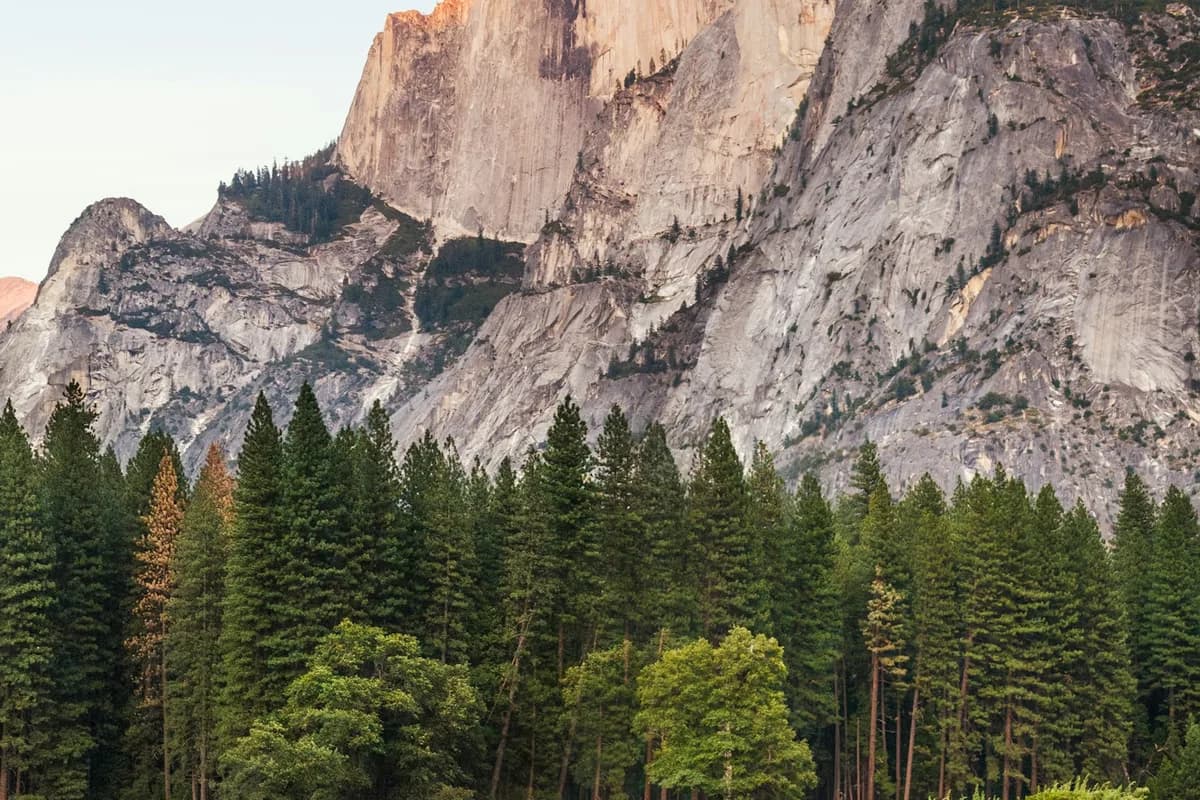
The Ultimate National Parks Road Trip: How to Plan an Epic American Adventure
The Ultimate National Parks Road Trip: How to Plan an Epic American Adventure
America's national parks are the crown jewels of the country's landscape. From the granite walls of Yosemite to the otherworldly hoodoos of Bryce Canyon, the steaming geysers of Yellowstone to the ancient forests of Olympic, these protected lands represent some of the most spectacular scenery on the planet. And the best way to experience them is on a road trip that connects multiple parks into one unforgettable journey.
This guide will help you plan a realistic, enjoyable national parks road trip -- whether you have one week or four.
Choosing Your Route: The Best National Park Combinations
The US has 63 designated national parks spread across 30 states. Trying to see them all in one trip is impossible, so the key is choosing parks that are geographically close enough to combine without spending your entire trip in the car.
Route 1: The Utah Mighty Five (7-10 Days)
Utah's five national parks are arguably the best concentrated collection of parks in the country, and they form a natural loop.
The loop: Salt Lake City > Arches > Canyonlands > Capitol Reef > Bryce Canyon > Zion > Las Vegas (or return to SLC)
Highlights:
- Arches National Park -- Over 2,000 natural stone arches, including the iconic Delicate Arch. The 3-mile roundtrip hike to Delicate Arch at sunset is one of the most rewarding short hikes in the park system.
- Canyonlands -- Vast canyon landscapes carved by the Colorado and Green Rivers. The Island in the Sky district has the most accessible viewpoints.
- Capitol Reef -- The least crowded of the five, with dramatic waterpocket folds, free-to-pick orchards, and excellent backcountry drives.
- Bryce Canyon -- Thousands of red-orange hoodoo rock formations unlike anything else on earth. The Navajo Loop and Queen's Garden trail combination is a must.
- Zion -- Towering sandstone walls, the Virgin River Narrows, and Angels Landing -- one of the most famous (and nerve-wracking) hikes in America.
Total driving: Approximately 900 miles for the full loop Best time: April-May or September-October (summer temperatures in Arches and Canyonlands exceed 100F)
Route 2: The Grand Circle (10-14 Days)
Expand the Utah loop to include Arizona's crown jewels.
The route: Las Vegas > Zion > Bryce Canyon > Capitol Reef > Arches > Canyonlands > Monument Valley > Grand Canyon (South Rim) > Sedona > Las Vegas
Added highlights:
- Grand Canyon South Rim -- Words and photographs cannot prepare you for the scale. The Rim Trail is mostly flat and accessible; the Bright Angel Trail takes you into the canyon.
- Monument Valley -- Technically a Navajo Tribal Park (not a national park), but its iconic sandstone buttes are unmissable. Book a guided tour with a Navajo guide for the full experience.
Total driving: Approximately 1,500 miles Best time: March-May or September-November
Route 3: The Greater Yellowstone Loop (7-10 Days)
The route: Salt Lake City > Grand Teton > Yellowstone (multiple days) > Bozeman or back to SLC
Highlights:
- Grand Teton National Park -- Dramatic mountain scenery rising 7,000 feet above the valley floor. The Teton Range reflected in Jenny Lake is one of America's most photographed scenes.
- Yellowstone -- The world's first national park deserves at least 3 full days. Old Faithful, the Grand Prismatic Spring, Mammoth Hot Springs, the Grand Canyon of Yellowstone, and Lamar Valley (for wildlife) are all essential.
Total driving: Approximately 700-900 miles depending on your Yellowstone route Best time: June-September (many Yellowstone roads are closed by snow from November through April)
Route 4: The California Classic (10-14 Days)
The route: San Francisco > Yosemite > Kings Canyon > Sequoia > Death Valley > Joshua Tree > Los Angeles
Highlights:
- Yosemite -- El Capitan, Half Dome, Bridalveil Fall, and Yosemite Valley. The park that inspired the national park movement.
- Sequoia and Kings Canyon -- Home to the largest trees on earth by volume, including General Sherman, the largest living tree.
- Death Valley -- The hottest, driest, lowest point in North America. Zabriskie Point at sunrise and the Mesquite Flat Sand Dunes are surreal.
- Joshua Tree -- Where the Mojave and Colorado deserts meet. Unique Joshua trees, massive boulder formations, and spectacular stargazing.
Total driving: Approximately 1,200 miles Best time: April-May or October-November (Death Valley is dangerously hot in summer)
Camping vs. Lodges: Where to Sleep
Camping in National Parks
Camping is the most immersive and affordable way to experience the parks. Most national park campgrounds offer:
- Tent and RV sites with picnic tables, fire rings, and access to restrooms
- Fees: $20-$35 per night for a basic campsite
- Some campgrounds have flush toilets and showers; others have vault toilets only
- Firewood is usually available for purchase at camp stores ($5-$10 per bundle)
Reservation tips:
- Book through recreation.gov -- the official reservation system
- Popular campgrounds open reservations 5-6 months in advance on a rolling basis
- Set calendar alerts and be ready to book at exactly 7:00 AM MT on your opening day
- Some campgrounds hold sites for first-come, first-served -- arrive before noon (before 10 AM in peak season)
- Dispersed camping (free, no facilities) is allowed in many adjacent national forests
Essential camping gear:
- Tent, sleeping bag (rated for expected low temperatures), and sleeping pad
- Camp stove and fuel (campfires may be restricted during fire season)
- Cooler with ice for food storage
- Headlamp or flashlight
- Bear canister or bear-resistant food storage (required in many parks)
- Water bottles and purification method for backcountry trips
- Layers -- desert parks can drop 40+ degrees between day and night
Park Lodges and Cabins
Most major parks have at least one lodge or cabin option inside the park:
- Yellowstone: Old Faithful Inn (historic, from $300/night), Lake Yellowstone Hotel, Canyon Lodge, and several others
- Grand Canyon: El Tovar Hotel (historic luxury, from $250/night), Bright Angel Lodge (more affordable, from $120/night), Phantom Ranch (at the canyon bottom, requires lottery reservation)
- Yosemite: The Ahwahnee (luxury, from $500/night), Yosemite Valley Lodge, Curry Village tent cabins (from $150/night)
- Zion: Zion Lodge (the only in-park accommodation, from $250/night)
Book park lodges 6-12 months in advance. These are among the most sought-after accommodations in the country.
Gateway Towns
Every major park has nearby towns with hotels, motels, restaurants, and supplies:
- Springdale for Zion -- charming town right at the park entrance
- Moab for Arches and Canyonlands -- excellent restaurant and brewery scene
- West Yellowstone and Gardiner for Yellowstone
- Tusayan and Williams for Grand Canyon South Rim
- Mariposa and El Portal for Yosemite
Gateway town motels typically run $80-$200/night depending on season and proximity to the park.
Planning Your Budget
Park Entrance Fees
- Per-vehicle fee: $30-$35 per park, valid for 7 days
- America the Beautiful Annual Pass: $80 -- covers entrance to all 400+ NPS sites for one year. If you are visiting three or more parks, buy this pass.
- Free entrance days: The NPS offers several free entrance days per year, including the first day of National Park Week (April), National Public Lands Day (September), and Veterans Day (November).
Daily Budget Breakdown
| Expense | Camping Budget | Lodge Budget |
|---|---|---|
| Accommodation | $25-$35/night | $120-$300/night |
| Food (groceries/cooking) | $20-$30/day | $40-$80/day (restaurants) |
| Gas | $25-$40/day | $25-$40/day |
| Activities/tours | $0-$30/day | $0-$50/day |
| Daily total | $70-$135 | $185-$470 |
Car Rental
A rental car is essential for a national parks road trip. Budget $40-$80/day for a midsize SUV from a major airport. Add approximately $15/day for insurance if you do not have coverage through your credit card or home auto policy.
Tips for saving on gas:
- Use the GasBuddy app to find the cheapest gas stations
- Fill up in larger towns -- gas stations near parks charge premium prices
- Small towns in Utah and Nevada can be 100+ miles apart -- do not let your tank drop below a quarter
Essential Practical Tips
Timing and Crowds
Peak season (June-August): Parks are at maximum capacity. Popular trails have lines. Campgrounds are fully booked. Prices are highest. The upside: all roads and facilities are open.
Shoulder season (April-May, September-October): The sweet spot. Good weather in most parks, significantly fewer crowds, and lower prices. Some high-elevation roads may still be closed in April.
Off-season (November-March): Many parks are still open and stunningly beautiful (Grand Canyon in snow is extraordinary), but facilities are limited, some roads are closed, and temperatures can be extreme.
Altitude and Hydration
Many national parks sit at high elevation -- Yellowstone averages 8,000 feet, Bryce Canyon's rim is nearly 9,000 feet. If you are coming from sea level:
- Take it easy on your first day at altitude
- Drink significantly more water than you think you need (at least 3-4 liters per day while hiking)
- Symptoms of altitude sickness include headache, nausea, and shortness of breath
- Descend if symptoms worsen
Wildlife Safety
- Bears: Present in Yellowstone, Grand Teton, Yosemite, Glacier, and others. Store all food in bear-proof containers. Make noise while hiking. Carry bear spray in grizzly country.
- Bison: In Yellowstone, bison injure more visitors than any other animal. Stay at least 25 yards away. They are faster than they look.
- Snakes: Rattlesnakes are common in desert parks. Watch where you step and reach, especially near rocks and brush.
- Mountain lions: Present but rarely seen. If encountered, make yourself appear large and back away slowly.
Leave No Trace
All national parks operate under Leave No Trace principles:
- Pack out all trash (yes, including food scraps and orange peels)
- Stay on designated trails
- Do not approach or feed wildlife
- Camp only in designated areas
- Leave rocks, flowers, and artifacts where you find them
A Sample 14-Day Grand Circle Itinerary
| Day | Location | Activities |
|---|---|---|
| 1 | Arrive Las Vegas | Pick up rental car, drive to Zion (2.5 hrs) |
| 2-3 | Zion National Park | Angels Landing, The Narrows, Canyon Overlook Trail |
| 4 | Bryce Canyon | Navajo Loop, Queen's Garden, Sunset Point |
| 5 | Capitol Reef | Scenic Drive, Hickman Bridge Trail, pick fruit in orchards |
| 6-7 | Arches/Moab | Delicate Arch, Devil's Garden, Dead Horse Point State Park |
| 8 | Canyonlands | Island in the Sky district, Mesa Arch at sunrise, Grand View Point |
| 9 | Drive to Monument Valley | Scenic drive through Navajo Nation |
| 10-11 | Grand Canyon South Rim | Rim Trail, Bright Angel Trail, Desert View Drive, sunset at Hopi Point |
| 12 | Sedona (optional) | Red rock hikes, Cathedral Rock, scenic drives |
| 13 | Drive to Las Vegas | Return via Route 66 through Kingman |
| 14 | Depart Las Vegas | Return rental car, fly home |
FAQ
How much does it cost to enter a national park?
Most major national parks charge $30-$35 per vehicle for a 7-day pass. The America the Beautiful annual pass costs $80 and covers entrance to all 400+ National Park Service sites for one full year. If you plan to visit more than two or three parks, the annual pass is the clear best value.
When should I book campground reservations?
Popular campgrounds in parks like Yosemite, Yellowstone, and Zion fill up months in advance. Recreation.gov opens reservations on a rolling basis, typically 5-6 months ahead of your desired date. Set calendar reminders for your exact booking window and be online at 7:00 AM Mountain Time on the opening day.
Can I do a national parks road trip without camping?
Yes. Most national parks have lodges inside the park or hotels and motels in nearby gateway towns. Options range from historic properties like Yellowstone's Old Faithful Inn to budget motels in towns like Springdale, Moab, or West Yellowstone. Expect to pay $100-$300 per night instead of $25-$35 for camping.
What is the best time of year for a national parks road trip?
September and early October generally offer the best combination of pleasant weather, smaller crowds, and beautiful fall colors. Late May through June is also excellent, especially for wildflower season. July and August are the most crowded months with the highest prices and extreme heat in desert parks.
Do I need a 4WD vehicle for national parks?
For paved main park roads and established campgrounds, a standard rental car is perfectly adequate. However, some backcountry roads in parks like Death Valley, Capitol Reef, and the North Rim of the Grand Canyon require high clearance or 4WD. Check road conditions with the park before attempting any unpaved roads.
Sources & References
This article is based on first-hand experience and verified with the following official sources:

Go2USA Editorial Team
Exploring the USA since 2023 | All 50 states covered | Updated monthly
We are a team of travel writers and American travel enthusiasts who explore the country year-round. Our guides are based on first-hand experience, local knowledge, and verified official sources.
More about us →People Also Read
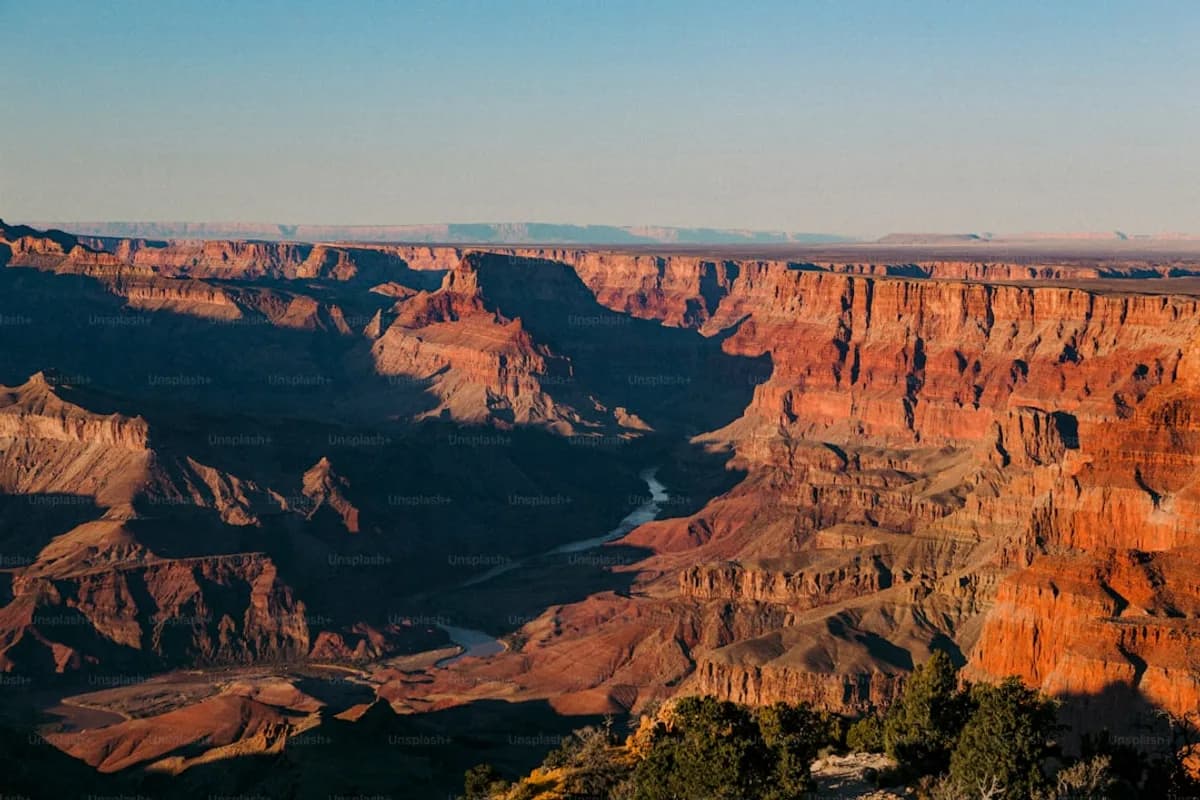
USA National Parks Guide: The Top 12 Parks to Visit
America's national parks are called 'the best idea America ever had.' This guide covers the top 12 national parks — from the Grand Canyon and Yellowstone to Zion and the Great Smoky Mountains — with everything you need to plan your visit.
The 15 Best Beaches in the USA for 2026: From Coast to Coast
Discover the top 15 beaches in America ranked by scenery, water quality, and overall experience, covering the East Coast, West Coast, Hawaii, and the Gulf of Mexico with practical tips for each destination.
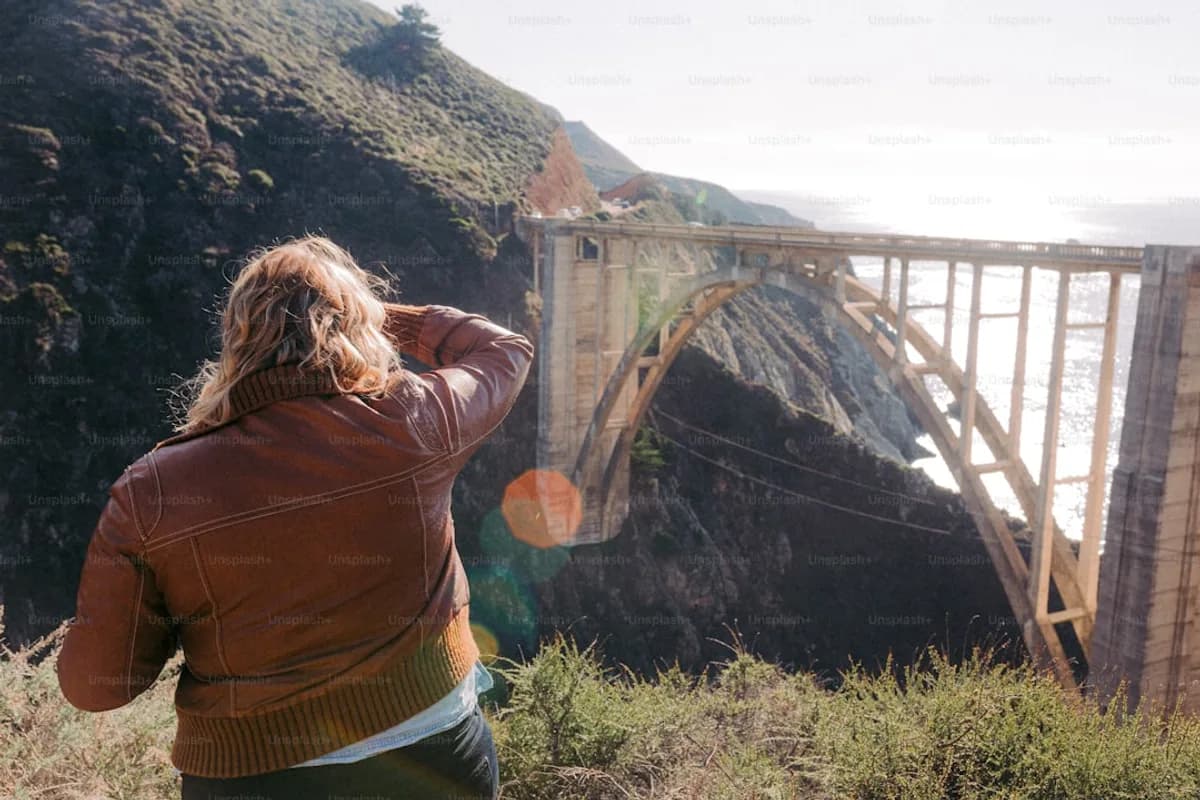
California Road Trip Itinerary: Pacific Coast Highway and Beyond
The ultimate California road trip — drive the legendary Pacific Coast Highway from San Francisco to Los Angeles, with detours into wine country, Big Sur, and the national parks of the Sierra Nevada. A complete 10-14 day itinerary.
New York City Complete Guide: Neighborhoods, Attractions & Where to Stay
Complete NYC guide covering neighborhoods, top attractions, dining, accommodations & practical tips for planning your New York City trip.
Plan Your USA Trip
Book hotels, transport, activities, and get connected with an eSIM
Some links are affiliate links. We may earn a commission at no extra cost to you.