California Road Trip Itinerary: Pacific Coast Highway and Beyond
California Road Trip Itinerary: Pacific Coast Highway and Beyond
California has one of the world's great road trips built right into its coastline — the Pacific Coast Highway (State Route 1), which winds 600+ miles between San Francisco and Los Angeles along the Pacific Ocean, through dramatic sea cliffs, redwood groves, coastal towns, and the incomparable wilderness of Big Sur. This itinerary covers 10-14 days from San Francisco to Los Angeles with the best detours included.
Before You Go: Road Trip Essentials
Car rental: Budget $60-100/day for a standard car. Book at airport for convenience (add $20-30/day) or in the city for lower rates. Choose a full-size or SUV if driving mountain routes — the Big Sur cliffs require confidence on one-lane roads.
The America the Beautiful Pass ($80) covers entrance fees to national and state forests along the route. Worth it if you visit multiple parks.
PCH road conditions: California Route 1 through Big Sur is prone to landslides and closures, particularly after winter rains. Always check Caltrans road conditions at roads.dot.ca.gov before heading into Big Sur. The route was closed for over a year in 2017 due to a massive landslide.
Gas prices: California has the highest gas prices in the continental US (typically $0.50-1.00/gallon more than the national average). Fill up when you can along the coast — gas stations are sparse in Big Sur.
Best time: June-October for the clearest skies. September-October offers the warmest Southern California weather with minimal fog. Spring (March-May) brings wildflowers but also potential Big Sur closures.
Day 1-2: San Francisco
Fly into San Francisco International Airport (SFO) and pick up your rental car. Spend two days exploring the city before beginning the coastal drive.
Day 1: City Highlights
- Morning: Walk across the Golden Gate Bridge from the south side Welcome Center — free, 1.7 miles, spectacular
- Afternoon: Explore the Ferry Building Marketplace (excellent Saturday farmers market, open other days too); eat Dungeness crab and sourdough clam chowder at Fisherman's Wharf
- Evening: Take BART to the Mission District for dinner at a mission-style burrito spot (La Taqueria, El Farolito) and drinks in the neighborhood's excellent bars
Day 2: Neighborhoods and Views
- Morning: Hike up or take the cable car to Coit Tower in North Beach for panoramic city views; explore North Beach's Italian cafes and City Lights Bookstore
- Afternoon: Alcatraz ferry (book in advance, $45; worth every cent for the audio tour narrated by former guards and inmates)
- Evening: The Castro neighborhood's restaurants and bars; or Haight-Ashbury for the vintage shops and the summer of love atmosphere
Day 3: San Francisco to Monterey via Coastal Route
Drive: 2-2.5 hours without stops (much longer with stops)
Leave San Francisco early and take Highway 1 south through the Pacifica coast rather than the faster inland route.
Stops:
- Año Nuevo State Park (55 miles south of SF): The largest mainland breeding colony of northern elephant seals. From December-March, 2,500+ seals haul out on the beach to give birth and mate. Guided tours required in peak season ($7 + parking). Spectacular wildlife without leaving the US mainland.
- Santa Cruz (75 miles south): Home of UC Santa Cruz and a funky surf town atmosphere. The Santa Cruz Beach Boardwalk is one of the few remaining seaside amusement parks in California. The Natural Bridges State Beach has monarch butterfly migration (October-February).
- Moss Landing (100 miles south): One of California's best spots for sea otters floating in the harbor — a leisurely lunch with sea otter views.
Arriving in Monterey: Check into your accommodation and have dinner on Cannery Row (Steinbeck's famous street from his novel, now restaurants and galleries).
Day 4: Monterey and Carmel-by-the-Sea
No driving required today — explore on foot
Monterey
- Monterey Bay Aquarium (9am-6pm, $50 adults): One of the world's great aquariums, famous for its giant kelp forest tank and sea otter exhibit. Allow 3-4 hours.
- Cannery Row: The historic sardine canning district from John Steinbeck's novel. Now restaurants, wine tasting rooms, and shops. Watch sea otters in the bay from the waterfront.
- 17-Mile Drive ($11.25 per vehicle): The famous toll road through the Pebble Beach golf course and the Del Monte Forest, ending at the Lone Cypress (an ancient tree perched on a coastal rock that has become one of California's most photographed images).
Carmel-by-the-Sea
A charming, affluent village at the end of 17-Mile Drive. No street addresses (residents use mailboxes), no parking meters, and dogs are permitted in most restaurants. The Carmel Mission (California's most beautiful) was founded by Junipero Serra in 1770. Carmel Beach at the end of Ocean Avenue is one of the most beautiful in California.
Day 5: Big Sur — California's Greatest Drive
Drive: 90 miles, but plan for 5-7 hours with stops
This is the day most people anticipate most and remember longest. California Route 1 through Big Sur hugs the Santa Lucia Mountains above a sheer coastline, with the Pacific 1,000+ feet below.
Essential stops (south from Carmel):
-
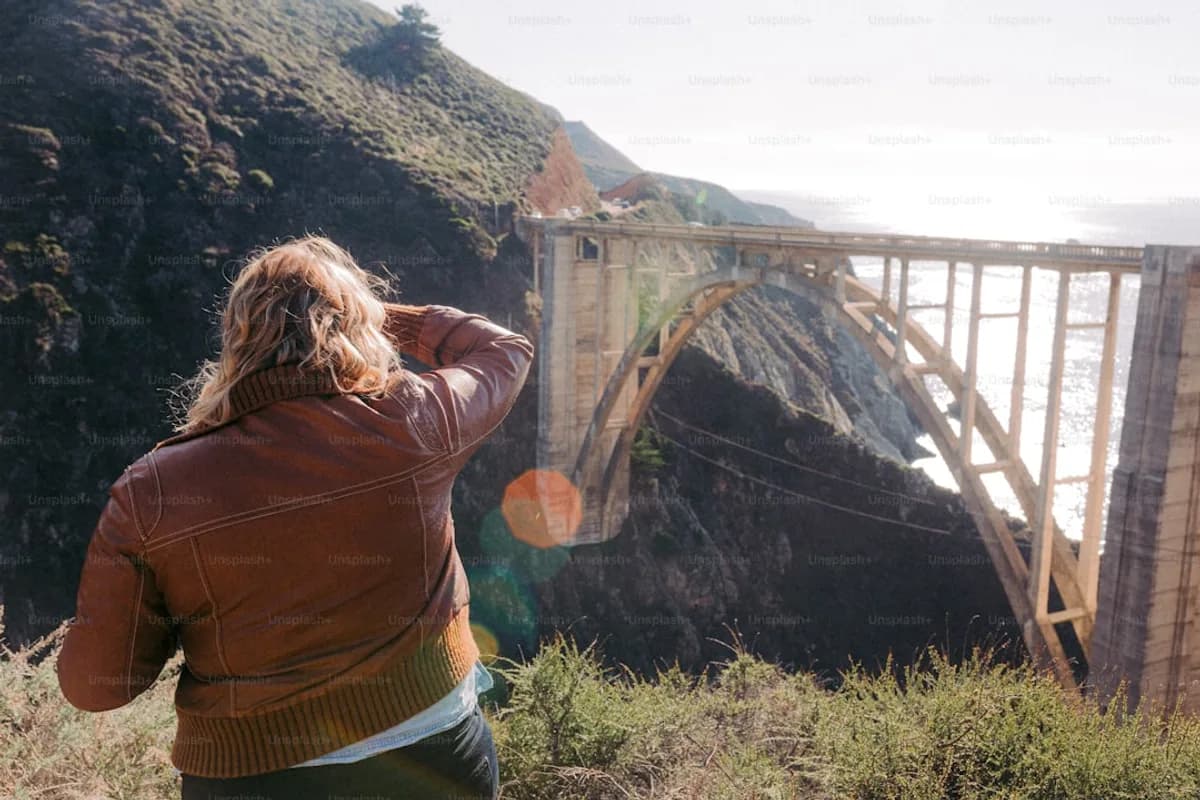
Bixby Creek Bridge (13 miles south of Carmel): The most photographed bridge in California — a 1932 concrete arch bridge over a deep ocean canyon. Pull over at the unmarked roadside pullout on the north side.
-
Point Sur State Historic Park: A lighthouse built in 1889 on a volcanic rock connected to the coast by a sand bar. Guided tours on weekends provide access.
-
Andrew Molera State Park: The largest state park in Big Sur — beach, forest, and ridgeline hiking. The beach is reached by a 1-mile walk from the parking lot.
-
Pfeiffer Beach (turn at the unsigned Sycamore Canyon Road — the only unmarked road in Big Sur that goes to the coast): An extraordinary purple-sand beach (manganese garnet from the clifftops) with the Keyhole Rock arch framing crashing Pacific waves. $12 parking. This is one of California's great secret beaches.
-
Pfeiffer Big Sur State Park: Old-growth redwood trees along the Big Sur River. The Pfeiffer Falls Trail (1.6 miles round trip) leads through the redwood grove to a 60-foot waterfall.
-
McWay Falls, Julia Pfeiffer Burns State Park: An 80-foot waterfall that plunges directly onto a beach and into the Pacific — one of the few "tidefall" waterfalls in the world. The Overlook Trail (0.5 miles) leads to the viewpoint. This is possibly the most beautiful spot on the entire drive.
-
Esalen Institute hot springs: The famous New Age retreat center has legendary cliffside natural hot spring tubs directly above the Pacific. They open to the public for "bath nights" (midnight-3am; book online at esalen.org). Unusual but unforgettable.
Accommodation in Big Sur: Book months ahead. Ventana Big Sur and Post Ranch Inn are extraordinary luxury properties ($1,000-3,000/night). Pfeiffer Big Sur State Park campground is excellent ($35/night; reserve at reservecalifornia.com months ahead).
Day 6: Big Sur to San Luis Obispo
Drive: 80 miles, 2-3 hours with stops
Continue south on Route 1, increasingly dramatic as the mountains begin to drop toward the central coast.
Hearst Castle, San Simeon (58 miles south of Big Sur): The extraordinary 165-room estate built by newspaper magnate William Randolph Hearst (the inspiration for Citizen Kane) on a hilltop above the Pacific. Daily guided tours from $30-35 cover the grand rooms and two outdoor pools. One of the most over-the-top private residences ever built in America.
Elephant Seal Vista Point, San Simeon: Just north of Hearst Castle, 17,000 northern elephant seals crowd this beach year-round. From the free roadside viewpoint, you can watch massive bulls bellowing, females nursing pups, and juveniles play-fighting in the surf. An extraordinary free wildlife spectacle.
San Luis Obispo: A charming California Polytechnic university town with excellent restaurants on Higuera Street. The Thursday night farmers market on Higuera Street is one of California's best. Good overnight base for the central coast.
Day 7: Wine Country Detour — Paso Robles
Drive: 30 miles north of SLO
Paso Robles wine country is California's fastest-growing and most interesting wine region — particularly for Rhône varieties (Syrah, Grenache, Roussanne, Viognier) and Zinfandel.
Winery visits:
- Justin Vineyards and Winery: Known for its Bordeaux blends, particularly Isosceles. The JUST Inn on property for overnight stays.
- Tablas Creek Vineyard: Rhône specialist, co-founded with Château Beaucastel from France's Châteauneuf-du-Pape. Excellent tastings in a friendly, unpretentious atmosphere ($20).
- Turley Wine Cellars: California's most celebrated Zinfandel producer, using century-old vines throughout California.
Paso downtown has excellent restaurants and wine bars — Bistro Laurent and Thomas Hill Organics are excellent dinner options.
Day 8-9: Santa Barbara to Malibu
Drive: Day 8 — Santa Barbara (90 miles south of Paso); Day 9 — Continue to Malibu/LA
Santa Barbara
"The American Riviera" — a Spanish Colonial Revival city with red-tile roofs, white stucco buildings, and beautiful beaches between the Santa Ynez Mountains and the Pacific.
Must-see:
- State Street — the main commercial street with excellent restaurants and the Arlington Theatre
- Santa Barbara County Courthouse — possibly the most beautiful public building in California: a 1929 Spanish Moorish Revival masterpiece with murals, sunken gardens, and a clock tower with ocean and mountain views
- Stearns Wharf — pier with seafood restaurants and views
- Wine tasting downtown — the Urban Wine Trail connects 30+ wine tasting rooms in the Funk Zone near the beach
Malibu and Pacific Coast Highway (Southern Stretch)
The last stretch of PCH through Malibu is less dramatic than Big Sur but offers celebrity beach houses, excellent surf spots, and the transition from coastal California to urban Los Angeles.
Stop: El Matador State Beach (28 miles west of Santa Monica) — sea stacks, caves, and coves with rugged drama. Park on Pacific Coast Highway ($8/day parking).
Day 10-12: Los Angeles
Three days in LA. See the Los Angeles city guide for full details, but key highlights for road trippers:
Essential LA Stops
- Griffith Observatory: Best views of the Hollywood Sign and LA skyline. Hike up or drive (free admission to observatory and grounds).
- Getty Center: Free world-class art museum with extraordinary architecture and city views (parking $20 or take Metro).
- Venice Beach: The boardwalk, Abbot Kinney Boulevard's restaurants and boutiques, and the canals.
- Hollywood: TCL Chinese Theatre, Hollywood Walk of Fame, and the Hollywood Bowl for evening concerts.
- Malibu Creek State Park: Outstanding hiking in the Santa Monica Mountains, 30 minutes from downtown. The MAS*H filming location is here.
Best LA Food Stops
- Grand Central Market, downtown LA: The city's best food hall in a 1917 building
- Tacos at a strip-mall taqueria in East LA or the San Fernando Valley: The best Mexican food outside Mexico
- In-N-Out Burger: Multiple locations — order Double Double, Animal Style
- Gjusta or Gjekfa in Venice: Exceptional bakery and café
Optional Inland Detour: Sierra Nevada and National Parks
If you have extra days, the Sierra Nevada route through Sequoia/Kings Canyon and Yosemite National Parks can be added as an inland loop from LA or SF.
From LA: Joshua Tree National Park (2.5 hours east) — one of America's most otherworldly landscapes, perfect for a night of camping under the stars.
From SF: Yosemite National Park (4 hours east via Highway 120 or 140) — the valley is extraordinary but requires timed-entry permits in summer. Book months in advance.
Big Trees Loop: Sequoia and Kings Canyon national parks (4 hours from LA, 3 hours from Fresno) — the world's largest living trees. General Sherman Tree (by volume the largest organism on earth) is a 45-minute walk from the visitor center.
Practical Logistics
Gas and Range
Gas stations are sparse between Carmel and Morro Bay on Route 1 — fill up in Carmel before starting the Big Sur section.
Cell Service
Big Sur has virtually no cell service. Download offline Google Maps for the route before you leave. Tell someone your planned overnight location.
Weather and Road Closures
Check Caltrans road conditions (roads.dot.ca.gov) each morning before driving Big Sur. The route can close on short notice for rockslides and emergency repairs.
Camping
California State Park campgrounds must be reserved at reservecalifornia.com — popular sites (especially in Big Sur) sell out months in advance for summer weekends.
Budget
This itinerary typically costs:
- Car rental: $700-1,000 for 10-12 days (plus gas: $150-200)
- Accommodation: $80-300/night (camping to mid-range hotel)
- Meals: $30-80/day
- Activities: $20-80/day (Monterey Aquarium, Hearst Castle, winery tastings)
- Total per person: $1,500-3,000 for 10-12 days (excluding flights)
California's coastline delivers what it promises — arguably the greatest coastal drive in the world, connecting two of America's most vibrant cities with 600 miles of natural and human-made beauty. Drive it slowly.
Sources & References
This article is based on first-hand experience and verified with the following official sources:

Go2USA Team
Exploring the USA since 2023 | All 50 states covered | Updated monthly
We are a team of travel writers and American travel enthusiasts who explore the country year-round. Our guides are based on first-hand experience, local knowledge, and verified official sources.
More about us →People Also Read
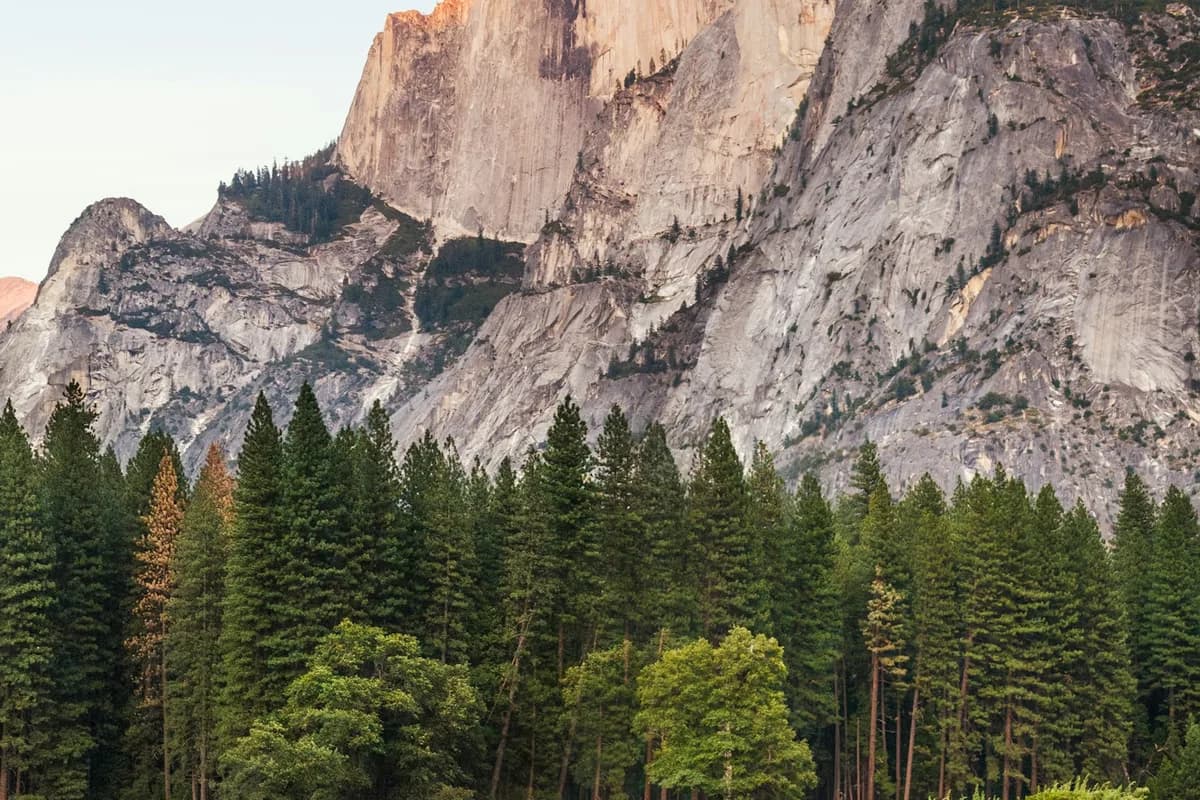
The Ultimate National Parks Road Trip: How to Plan an Epic American Adventure
Plan the perfect national parks road trip across the United States with our complete guide to route planning, the best parks to combine, camping versus lodges, seasonal timing, and realistic cost breakdowns.
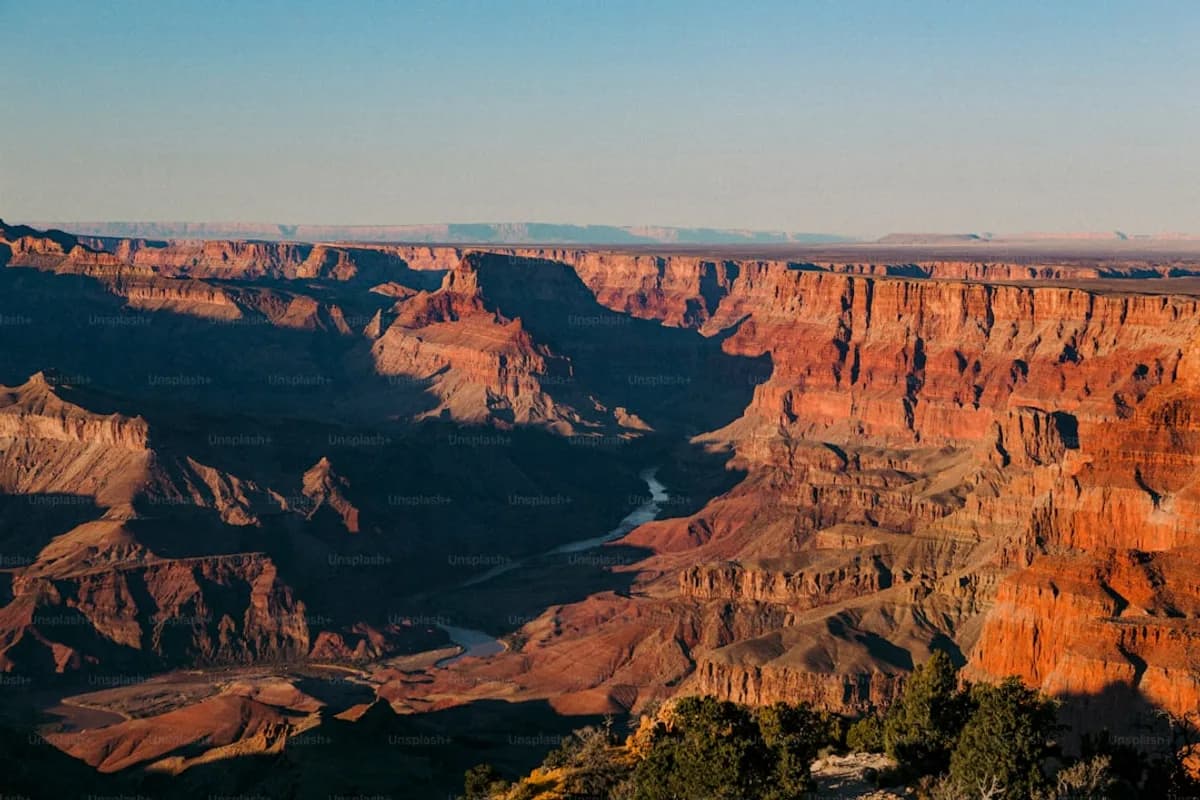
USA National Parks Guide: The Top 12 Parks to Visit
America's national parks are called 'the best idea America ever had.' This guide covers the top 12 national parks — from the Grand Canyon and Yellowstone to Zion and the Great Smoky Mountains — with everything you need to plan your visit.
New York City Complete Guide: Neighborhoods, Attractions & Where to Stay
Complete NYC guide covering neighborhoods, top attractions, dining, accommodations & practical tips for planning your New York City trip.
Amtrak Cross-Country: Real 2026 Guide to Coast-to-Coast by Train
Can you take Amtrak coast to coast? Real 2026 routes (California Zephyr, Southwest Chief), costs ($213 coach / $1500 sleeper), and whether the 52-hour ride is worth it.
Plan Your USA Trip
Book hotels, transport, activities, and get connected with an eSIM
Some links are affiliate links. We may earn a commission at no extra cost to you.